How Does a Rangefinder Aim Its Laser? A Quick Guide
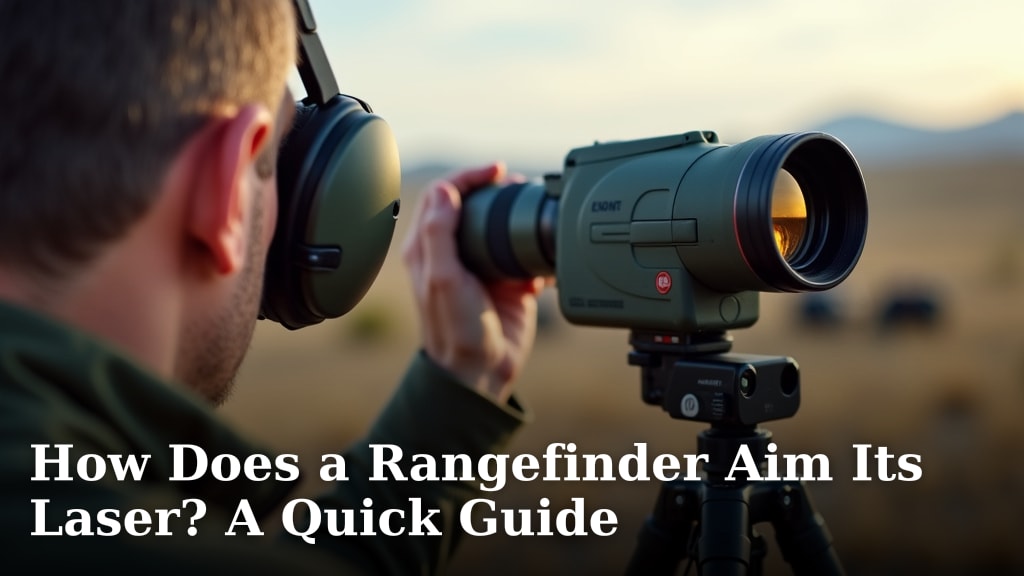
A rangefinder aims its laser using a simple process. It fires a focused beam of light and then measures the time it takes for that light to bounce back. This allows it to accurately calculate the distance to your target. Think of it like shouting in a canyon and timing your echo.
This technology relies on the principle of light speed, which is constant. When you press the button, the device sends out a pulse. A built-in sensor detects the reflected light pulse. The time difference tells the rangefinder exactly how far away an object is, making it a reliable tool for many tasks.
- Rangefinders use a laser pulse.
- They time how long the pulse takes to return.
- This time directly tells you the distance.
- It’s like an echo, but with light!
Let’s walk through exactly how this magic happens, step by step, so you can understand the technology behind your aiming device.
How a Laser Rangefinder Calculates Distance
You might be curious about the technology packed into that small device. It’s surprisingly straightforward. A laser rangefinder uses a precise beam of light to measure distances. It works by sending out a short pulse of laser light. Then, it waits for that light to bounce off an object and return. The time it takes for the light to travel to the object and back tells the rangefinder the distance.
The Science Behind the Measurement
The core principle is the constant speed of light. Light travels at approximately 299,792 kilometers per second in a vacuum. This speed is incredibly fast, but it’s also perfectly predictable. Your rangefinder is essentially a sophisticated stopwatch. It times the round trip of the laser pulse.
The Laser Pulse: A Focused Beam
The laser used is not a powerful beam like you see in movies. Instead, it’s a very narrow, focused pulse of infrared light. This makes it safe for your eyes and highly accurate. The device sends out thousands of these pulses every second. This allows it to get a rapid reading on your target.
Timing the Return Signal
When the laser pulse hits a surface, some of the light bounces back. A sensitive sensor inside the rangefinder detects this returning light. The device then calculates the exact time elapsed between sending the pulse and receiving the reflection. This time is then converted into a distance measurement.
The Distance Calculation Formula
The math is simple physics. Distance equals speed multiplied by time. Since the speed of light is constant, the rangefinder just needs the time. The formula looks like this: Distance = (Speed of Light × Time of Flight) / 2. We divide by two because the time measured is for the light to travel to the target and back.
Components That Make It Work
Several key components work together inside your rangefinder. Understanding these parts helps appreciate its accuracy. Each piece plays a vital role in ensuring you get a reliable measurement every time you press that button.
The Laser Emitter
This is where the magic begins. The laser emitter is a small diode that generates the brief, focused pulse of light. It’s designed to send out a very narrow beam. This ensures the light hits your intended target directly. It also minimizes interference from other objects. Many devices use a Class 1 laser, which is considered safe for the eye under normal operating conditions (FDA).
The Optical Receiver and Sensor
Once the laser pulse reflects off your target, it travels back to the rangefinder. The optical receiver is a lens system that collects this faint returning light. This light is then directed to a highly sensitive sensor. This sensor is what detects the precise moment the reflected pulse arrives.
The Timing Circuitry and Microprocessor
This is the brain of the operation. The timing circuitry is incredibly precise. It measures the time of flight of the laser pulse down to nanoseconds. A microprocessor then takes this time data. It performs the simple calculation to convert it into meters or yards. This entire process happens in a fraction of a second.
The Display and User Interface
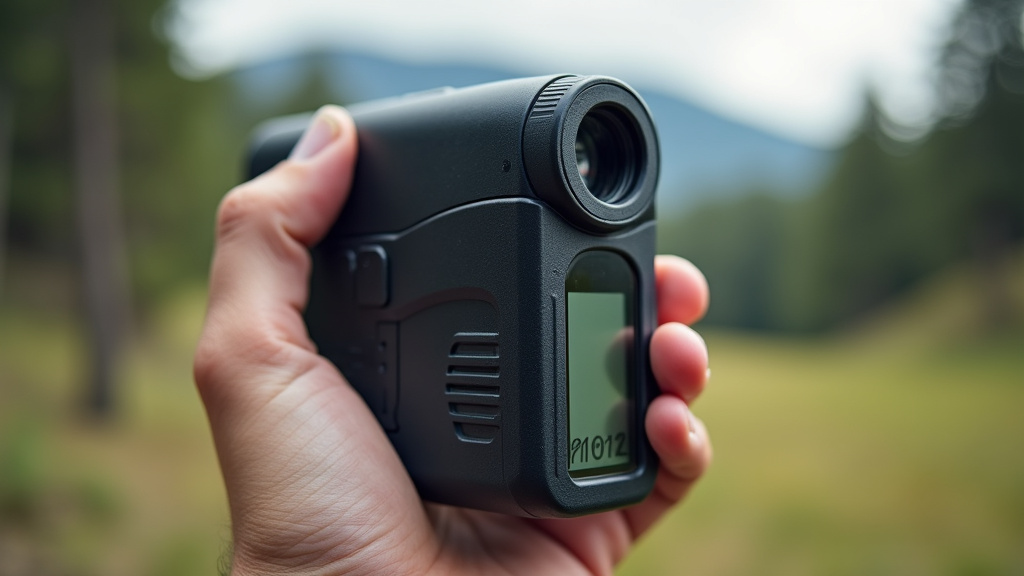
Finally, the calculated distance is sent to the display. This is usually an LCD screen. It shows you the measurement clearly. Some rangefinders offer different modes. You might see options for scanning, fog, or golf. These modes adjust how the device processes the returning signals.
Factors Affecting Rangefinder Accuracy
While rangefinders are generally very accurate, a few things can influence their readings. Knowing these factors can help you get the best results. It’s good to be aware of the environment and your target.
Target Surface Properties
The type of surface you’re measuring to is important. Shiny or reflective surfaces, like a mirror, will bounce the laser back strongly. Dark, matte surfaces, like black velvet, absorb more light. This can make them harder for the sensor to detect. You might find that certain materials reflect the laser better than others.
Environmental Conditions
Weather plays a role. Rain, fog, or heavy dust can scatter the laser beam. This weakens the signal before it reaches the target and on its return. This scattering can reduce the maximum effective range of the device. You might need to aim for a more solid object if conditions are poor.
Angle and Obstructions
If you’re aiming at an angled surface, the reflection might not come straight back to the device. This can affect accuracy. Also, anything blocking the path of the laser, like branches or tall grass, can interfere with the reading. It’s best to have a clear line of sight.
Device Quality and Calibration
Not all rangefinders are created equal. Higher-quality devices use better components. They have more precise timing circuits and superior optics. Proper calibration from the manufacturer is also key. Most consumer devices don’t require user calibration. If you suspect an issue, consult your manual.
A Quick Rangefinder Checklist
To ensure you’re getting the most out of your rangefinder, keep these tips in mind:
- Always aim for a clear, solid target.
- Be aware of weather conditions like fog or heavy rain.
- Understand that very dark or highly reflective surfaces may be tricky.
- Hold the rangefinder steady for the most accurate reading.
- Ensure the lens is clean for optimal performance.
- Check your device’s manual for specific operating instructions.
Conclusion
You now understand how your rangefinder aims its laser. It works by sending out a light pulse and precisely timing its return. This simple yet ingenious method uses the constant speed of light for accurate distance measurements. Remembering to consider your target’s surface and environmental factors will help you get the most reliable readings. Armed with this knowledge, you’re ready to confidently use your rangefinder for any task.
Frequently Asked Questions
Do rangefinders use a visible laser?
Most rangefinders use an invisible infrared laser beam. This makes them safe for your eyes during normal use. You won’t see a visible red dot like in some laser pointers.
Can fog affect my rangefinder’s reading?
Yes, fog, rain, and heavy dust can scatter the laser beam. This weakens the signal and can reduce the rangefinder’s accuracy. You might get a reading off of the fog itself, or it might not return a signal at all.
What happens if I aim at a mirror?
A mirror is a highly reflective surface. It will bounce the laser beam back very strongly and quickly. This can sometimes lead to inaccurate readings or the rangefinder not getting a clear signal at all.
How often do I need to calibrate my rangefinder?
Most consumer-grade rangefinders do not require user calibration. They are calibrated at the factory. If you suspect an issue, consult your device’s user manual for specific instructions.
Can I use my rangefinder on any object?
You’ll get the best results aiming at solid, matte surfaces. Very dark or extremely shiny objects can absorb or reflect the laser in ways that make measurement difficult. A clear line of sight to your target is always best.