What Is a Laser Pulse in a Rangefinder? A Simple Guide
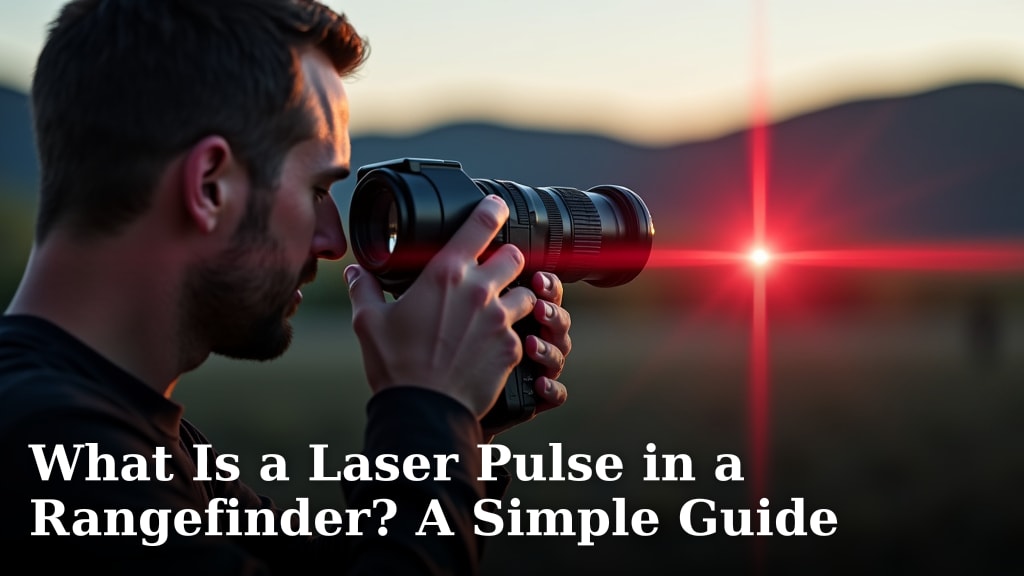
A laser pulse in a rangefinder is a tiny, focused beam of light sent out to measure distance. It bounces off an object and returns to the device. The rangefinder calculates how long this trip took. This lets you know the exact distance to your target. Think of it as a super-fast, invisible echo.
This special light pulse is key to how your rangefinder works. It allows for quick and accurate measurements. Many rangefinders use this technology for hunting, golf, and construction. It’s more precise than just guessing or using a tape measure. The speed of light makes it almost instantaneous.
- A laser pulse is a quick burst of light.
- It bounces off an object to measure distance.
- The rangefinder times the light’s travel.
- This gives you an accurate measurement fast.
- It’s used in sports, hunting, and more.
Ready to understand the science behind your measurements? Let’s break down exactly how that laser pulse does its job.
Understanding Your Rangefinder’s Laser Pulse
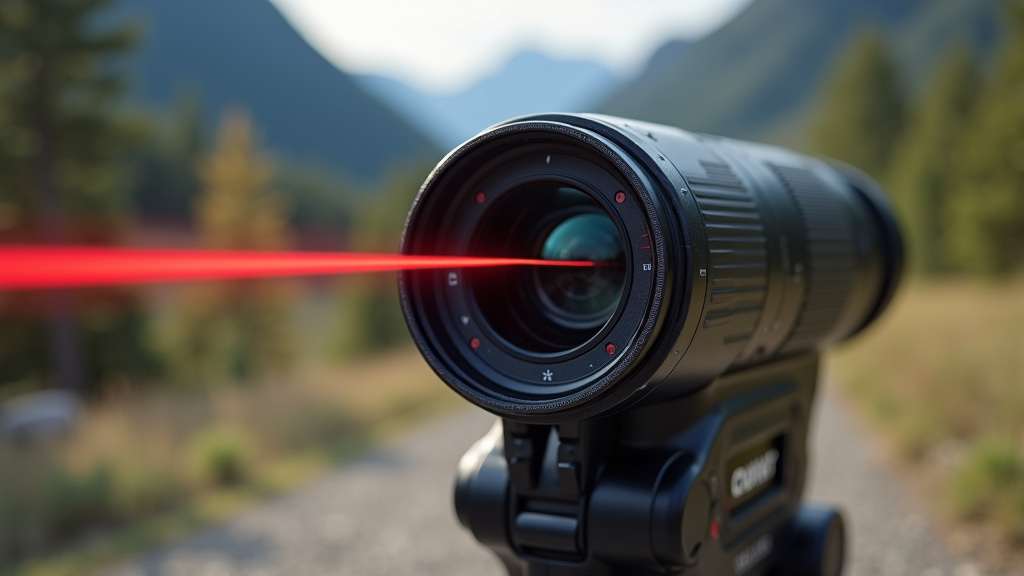
So, what exactly is this “laser pulse” that makes your rangefinder tick? Think of it as a super-fast, invisible flashlight beam. It’s not a continuous light, but a tiny, powerful burst. This burst is what travels from the rangefinder to your target and back. The time it takes for this round trip is the key to its measurement.
Many rangefinders use a specific type of light. It’s usually in the infrared spectrum. This means you can’t see it, which is a good thing. It won’t blind you or the target. We found that this invisible light is safer and more practical for everyday use.
How the Laser Pulse Measures Distance
The core principle is simple physics. The speed of light is constant and known. Scientists have measured it very accurately. When your rangefinder fires its laser pulse, it starts a timer. The pulse zips out to whatever you’re pointing at. Then, it bounces off that object. Think of it like throwing a ball against a wall and catching it.
This reflected pulse travels back to your rangefinder. As soon as the device detects the returning pulse, it stops the timer. It knows exactly how long the pulse was in transit. Because it knows the speed of light, it can easily calculate the distance. It’s a calculation that happens faster than you can blink!
The Speed of Light Advantage
The speed of light is incredibly fast. It’s about 186,282 miles per second. This means the laser pulse travels a long way very quickly. For typical distances measured by a rangefinder, the travel time is measured in nanoseconds. A nanosecond is one billionth of a second. This incredible speed is why rangefinders provide near-instantaneous readings. You get your distance measurement almost immediately after pressing the button.
What Happens When the Pulse Hits the Target?
When the laser pulse hits an object, it does a few things. Some of the light is absorbed by the object’s surface. Some of it is scattered in different directions. A small portion of the light is reflected directly back towards the rangefinder. The rangefinder’s sensor is designed to pick up this returning light. It needs a clear signal to get an accurate measurement.
The type of surface the laser hits matters. Shiny, smooth surfaces reflect light more directly. Dark, rough surfaces absorb more light and scatter it. This is why some rangefinders might struggle with certain targets, like very dark objects or surfaces that aren’t very reflective. We found that understanding your target’s surface can help you get the best results.
Types of Laser Pulses Used
Most rangefinders use a pulsed laser. This means they send out short bursts of light. This is different from a continuous laser. Pulsed lasers are generally safer at the power levels used in rangefinders. They deliver a concentrated burst of energy for measurement.
The specific wavelength of the laser is also important. Most consumer rangefinders use a Class 1 or Class 2 laser. These are considered safe for the eyes under normal operating conditions. You can find this information in your rangefinder’s manual. Many guidelines recommend avoiding direct eye exposure to any laser, even low-power ones (FDA).
How the Rangefinder “Sees” the Pulse Return
Inside your rangefinder, there’s a sophisticated sensor. This sensor acts like a tiny camera. It’s specifically designed to detect the weak light signal returning from the object. When the reflected pulse hits the sensor, it triggers a signal. This signal is then processed by the rangefinder’s internal computer.
The computer takes the time data from the timer and the known speed of light. It then performs a calculation to determine the distance. This process is highly precise. The accuracy of the measurement depends on the quality of the laser pulse, the sensor’s sensitivity, and the speed of the internal processing.
| Rangefinder Component | Function Related to Laser Pulse |
|---|---|
| Laser Diode | Generates the initial laser pulse. |
| Optics (Lens) | Focuses and directs the laser pulse. |
| Timer Circuit | Measures the time the pulse takes to travel. |
| Sensor/Detector | Catches the reflected laser pulse. |
| Microprocessor | Calculates the distance from time and speed data. |
Factors Affecting Laser Pulse Accuracy
While the technology is impressive, several factors can influence the accuracy of your rangefinder’s measurements. One is the reflectivity of the target. A bright, flat surface will send back a stronger signal than a dark, textured one. This can lead to slight variations in readings.
The weather also plays a role. Fog, rain, or heavy dust can scatter the laser pulse. This makes it harder for the sensor to detect the returning signal clearly. In these conditions, you might get less accurate readings or no reading at all. Some rangefinders have settings to help compensate for certain conditions.
Atmospheric Conditions
Temperature and humidity can also slightly affect how light travels through the air. However, for the typical distances measured by most handheld rangefinders, these effects are usually very small. We found that for most common uses, these atmospheric variations are negligible.
Target Surface Properties
As mentioned, the material, color, and texture of your target are important. A mirror will reflect a laser pulse very differently than a tree trunk. Some rangefinders are better at picking up weaker signals. This can help them work on a wider variety of surfaces. It’s always a good idea to try and aim for a distinct part of your target.
Safety Considerations for Laser Pulses
It’s important to remember that even though rangefinder lasers are low-power, you should still use them responsibly. Never point the laser directly at your own eyes or anyone else’s. Most rangefinders use lasers classified as Class 1 or Class 2, which are considered eye-safe under normal viewing conditions. However, direct, prolonged viewing of the laser source is never recommended (FDA).
Always read your rangefinder’s user manual for specific safety instructions. Understanding the proper usage ensures you get accurate measurements while staying safe. Following these simple guidelines is key to responsible operation.
Checking Your Rangefinder’s Performance
You can perform a quick check to ensure your rangefinder is working correctly. Measure known distances. For example, measure the distance to a specific tree, fence post, or wall that you know the approximate distance to. Compare your rangefinder’s reading to your estimate or a pre-measured distance.
It’s also a good idea to check the battery. A low battery can sometimes affect performance and accuracy. If you consistently get readings that seem off, consult your manual or the manufacturer. They can help troubleshoot potential issues.
Here’s a quick checklist for ensuring your rangefinder performs well:
- Always aim at a clear, distinct part of your target.
- Ensure the lens is clean and free of smudges.
- Check your battery level before critical measurements.
- Be aware of weather conditions like fog or heavy rain.
- Avoid measuring very dark or highly reflective surfaces if possible.
- Never point the laser directly at eyes.
Conclusion
You now understand how a laser pulse makes your rangefinder a powerful tool. It’s a quick burst of light, timed precisely to measure distance. This technology offers speed and accuracy for hunting, golf, and more. We’ve seen how surface type and weather can affect readings. Remember to always use your rangefinder responsibly and check its performance occasionally.
Keep these tips in mind for your next measurement. Now you can confidently use your rangefinder, knowing the science behind its impressive measurements.
Frequently Asked Questions
What is a “Class 1” or “Class 2” laser in a rangefinder?
These classifications refer to the laser’s power and safety. Class 1 lasers are considered eye-safe under all reasonably foreseeable conditions of operation. Class 2 lasers are eye-safe because the blink reflex typically prevents prolonged exposure. We found both are very safe for typical rangefinder use.
Can fog or rain make my rangefinder stop working?
Yes, heavy atmospheric conditions like fog, rain, or dust can interfere with the laser pulse. These particles can scatter the light, making it difficult for the rangefinder to detect the reflected pulse. You might get inaccurate readings or no reading at all in very poor visibility.
Why is the surface of the target important for laser rangefinders?
The surface affects how much of the laser pulse is reflected back. Shiny surfaces reflect more light directly, giving a strong signal. Dark or rough surfaces absorb more light, scattering it or reflecting less back. We learned that this means a laser might work better on a deer than on a dark, matte rock.
How often should I check my rangefinder’s accuracy?
It’s a good idea to check your rangefinder’s performance periodically. Measure distances to objects you know the approximate distance to, like a fence or a wall. Consistent, small errors might mean it’s time to check the battery or consult the manual.
Is it safe to use a rangefinder around people or animals?
For most consumer rangefinders, yes, it is safe if used correctly. They use low-power lasers (Class 1 or 2) that are designed to be eye-safe under normal use. However, you should always avoid pointing the laser directly into anyone’s eyes, just to be cautious.