What Is Beam Divergence in a Rangefinder?
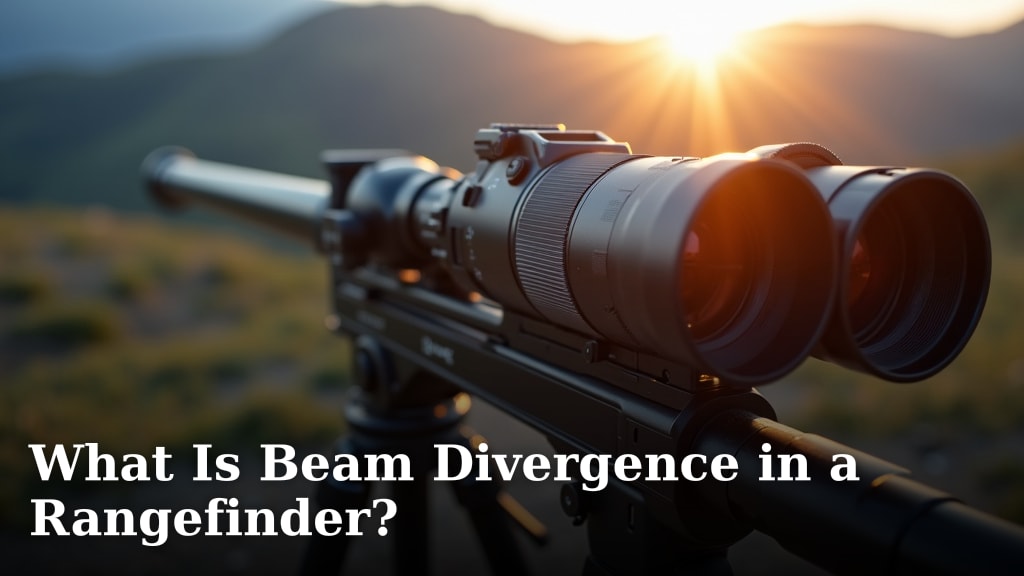
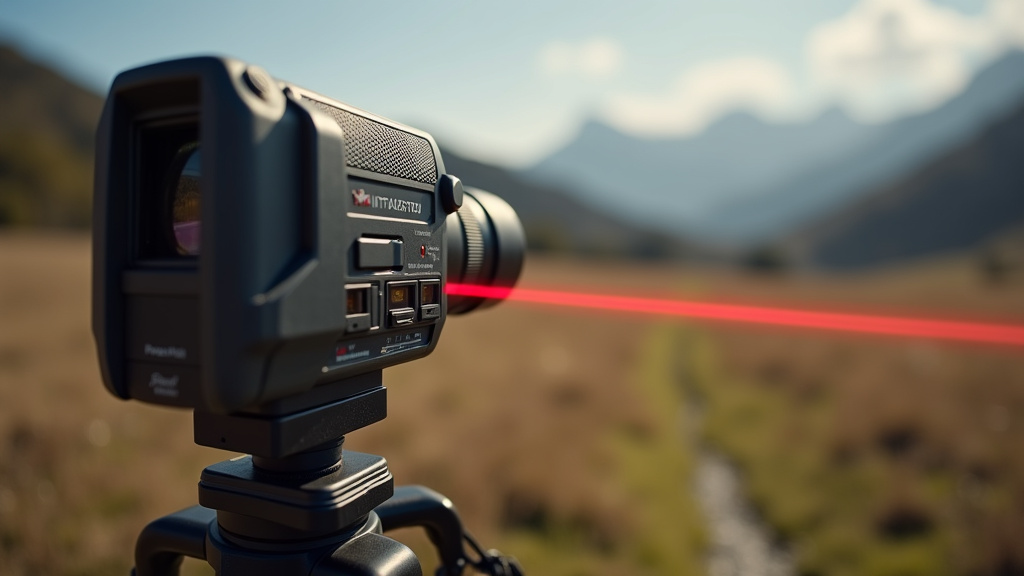
Beam divergence in a rangefinder is the spread of the laser beam as it travels away from the device. A narrower beam, meaning less divergence, helps you get a more accurate distance reading. Think of it like a flashlight beam; some are tightly focused, while others spread out quickly.
This spread affects how precisely your rangefinder hits its target. If the beam is too wide, it might hit more than just your intended object. This can lead to inaccurate measurements, especially at longer distances. Understanding beam divergence helps you choose a rangefinder that performs well for your specific needs.
- Beam divergence is how a laser beam spreads out.
- Less divergence means a more focused beam.
- A focused beam leads to more accurate distance readings.
- It’s important for hitting your intended target precisely.
Let’s walk through exactly why this matters and what to look for when choosing a rangefinder.
Understanding Laser Beam Spread in Your Rangefinder
Beam divergence is a key factor in how well your rangefinder performs. It describes how much the laser beam spreads out as it travels from the device to your target. Think of it like a spotlight; some beams are very tight and focused, while others fan out quickly. For rangefinders, a tighter beam is generally better.
A more focused beam means the laser energy is concentrated on a smaller spot. This helps ensure that the reflected signal comes back from your intended target. If the beam spreads too much, especially over longer distances, it might hit more than just what you’re aiming at. This can lead to inaccurate readings and frustration.
What Exactly is Beam Divergence?
Beam divergence is measured in milliradians (mrad). A milliradian is a unit of angle. It’s a very small measurement. One milliradian is roughly equivalent to the angle subtended by a U.S. dime at 20 yards. It essentially tells you how much the beam widens for every unit of distance it travels.
So, a lower milliradian number indicates less divergence. This means the beam stays more focused. A higher number means the beam spreads out more quickly. You’ll often see this spec listed as “beam divergence” or “divergence angle” in a rangefinder’s specifications.
Why a Tighter Beam Matters More
When you’re trying to get a precise distance reading, you want to be sure the laser is hitting exactly what you’re aiming at. Imagine you’re in the woods trying to measure the distance to a specific tree trunk. If your rangefinder’s beam is wide, it might be hitting leaves, branches, or even a patch of ground behind the tree.
The rangefinder measures the time it takes for the laser pulse to travel to the target and back. If the beam is hitting multiple objects at slightly different distances, the reflected signal can become confused. This can result in a reading that’s not accurate for the tree trunk itself. Many experts suggest that a beam divergence of 1.5 mrad or less is good for most hunting and golf applications (Archery Industry Association).
Impact on Different Environments
In open fields, a slightly wider beam might not be a huge issue. However, in cluttered environments like forests or areas with fog or dust, a wide beam can cause problems. The laser energy gets scattered by these particles. This can weaken the signal, making it harder for the rangefinder to get a lock on your target.
A tightly focused beam cuts through these environmental challenges much better. It’s less likely to be scattered. This means you’re more likely to get a reliable reading, even when conditions aren’t perfect. This consistency is what separates a good rangefinder from a great one.
How Beam Divergence Affects Accuracy
The primary way beam divergence impacts accuracy is by determining the size of the laser spot on your target. As the distance increases, a beam with high divergence will create a much larger spot. This larger spot increases the chance of hitting unintended objects.
For example, at 100 yards, a beam with 1 mrad divergence will have a spot size of about 3.14 inches. If the divergence is 3 mrad, that spot size jumps to over 9.4 inches. This difference can be critical when you need to measure to a specific point, like the flagstick on a golf green or the animal you’re hunting.
Distance and Spot Size Calculation
You can roughly calculate the spot size on your target using a simple formula. It involves the distance to the target and the beam divergence in milliradians. The formula is: Spot Size (in feet) = Distance (in feet) x Divergence (in mrad) / 1000.
Let’s put this into practice. Suppose you’re trying to range a deer at 300 yards (900 feet). If your rangefinder has a divergence of 2 mrad, the spot size would be approximately (900 feet * 2 mrad) / 1000 = 1.8 feet, or about 21.6 inches in diameter. If another rangefinder has a divergence of 0.5 mrad, the spot size at the same distance would be only about 5.4 inches. You can see how much more precise the 0.5 mrad option is.
When Small Differences Make a Big Impact
In sports like golf, hitting the exact flagstick is essential. In hunting, pinpointing the exact distance to the animal you’re aiming at can be the difference between a successful hunt and a missed opportunity. These scenarios demand a high degree of precision. Many golf professionals look for rangefinders with very low divergence.
Many golf professionals and serious hunters look for rangefinders with very low divergence, often below 1 mrad. This ensures they are measuring the intended target, not something in the foreground or background. It’s about having confidence in the number you see on the display.
Choosing a Rangefinder Based on Divergence
When you’re shopping for a rangefinder, pay attention to the beam divergence specification. It’s often listed alongside magnification and field of view. Don’t let it be an afterthought; it’s a vital performance indicator.
What to Look For in Specifications
You’ll want to find a rangefinder with the lowest possible beam divergence. For general use, under 2 mrad is generally acceptable. If you’re a serious hunter or golfer, aim for 1.5 mrad or lower. Some high-end models might even offer divergence as low as 0.5 mrad.
Here’s a quick guide on what to consider:
- General Outdoor Use: Look for divergence under 2.5 mrad.
- Hunting: Aim for 1.5 mrad or lower.
- Golf: 1.0 mrad or lower is ideal.
- Competitive Shooting: The lower, the better, often below 0.5 mrad.
Comparing Divergence with Other Features
While divergence is important, it’s just one piece of the puzzle. You also need to consider magnification, objective lens size, and range capability. A high magnification can make it easier to find your target, but if the beam divergence is also high, the spot size can become very large.
Consider this comparison:
| Feature | Description | Ideal for… |
|---|---|---|
| Beam Divergence | How much the laser beam spreads. Lower is better. | Precision in any environment. |
| Magnification | How much closer the target appears. Higher means closer view. | Seeing distant targets clearly. |
| Objective Lens Size | Diameter of the front lens. Larger gathers more light. | Better brightness and low-light performance. |
| Max Range | The furthest distance the rangefinder can measure. | Long-distance applications like shooting or spotting. |
Finding the right balance of these features will ensure you get a rangefinder that meets your specific needs. A rangefinder with excellent magnification but poor divergence might not perform as well as you’d hope in a real-world scenario. It’s about getting a clear, accurate reading on your intended mark.
A Quick Checklist for Your Rangefinder Choice
When you’re looking at different rangefinders, keep these points in mind:
- Check the listed beam divergence spec.
- Look for the lowest number possible, especially for hunting or golf.
- Consider how you’ll use the rangefinder most often.
- Compare divergence with magnification for your intended use.
- Read reviews that mention accuracy in different conditions.
- A lower divergence typically leads to better accuracy on small or distant targets.
Conclusion
You’ve learned that beam divergence is key to your rangefinder’s accuracy. A tighter laser beam, meaning less divergence, ensures you’re measuring exactly what you see. This prevents confusing readings from background objects. For precise shots in hunting or on the golf course, a low divergence number is your best friend. Always check this specification when buying. Now, you’re equipped to choose a rangefinder that delivers reliable distances every time.
Frequently Asked Questions
What does a lower beam divergence number mean?
A lower milliradian (mrad) number means your rangefinder’s laser beam spreads out less as it travels. This results in a smaller, more concentrated spot on your target. It’s generally better for accurate distance measurements, especially at longer ranges.
How does beam divergence affect rangefinder use in fog or rain?
In conditions like fog or rain, a wider beam can scatter more easily. This weakens the laser signal, making it harder for the rangefinder to get a return signal. A rangefinder with lower beam divergence will perform more reliably because its focused beam is less susceptible to scattering.
Is beam divergence more important than magnification?
Both are important, but they serve different purposes. Magnification helps you see your target clearly, while beam divergence affects the accuracy of the measurement itself. For precision, low beam divergence is often more critical than extremely high magnification, especially if the higher magnification comes with poor divergence.
Can I tell beam divergence by looking through the rangefinder?
No, you cannot visually determine beam divergence just by looking through your rangefinder. It’s a technical specification listed by the manufacturer. You’ll need to check the product’s specifications sheet or the manufacturer’s website for this information.
What’s a good beam divergence for general outdoor use, not hunting or golf?
For general outdoor activities like measuring distances on hikes or around your property, a beam divergence under 2.5 mrad is usually perfectly adequate. While lower is always better for accuracy, this range offers a good balance of performance and affordability for casual use.