How Does a Laser Rangefinder Work? A Fast Answer
On this page (8 sections)
A laser rangefinder works by sending out a laser beam and measuring the time it takes for the light to bounce off an object and return. This is a super-fast process. It uses this time measurement to calculate the distance with remarkable accuracy.
Think of it like shouting in a canyon and timing your echo. The longer it takes, the further away the canyon wall. A laser rangefinder does this with light, which travels incredibly fast. Many hunters, golfers, and builders rely on this convenient technology for precise measurements.
- Laser rangefinders use a laser pulse.
- They time how long the pulse takes to return.
- This timing calculates the exact distance.
- It’s a very reliable method for measuring.
Let’s dive into how this clever device achieves its accuracy, step by step.
Understanding Your Laser Rangefinder’s Technology
Ever wondered how that little gadget in your hand knows the exact distance to that tree or flag? It’s all about light and time. A laser rangefinder sends out a quick pulse of light and listens for its echo. The device is incredibly smart, turning that echo into a precise measurement you can trust. It’s a clever piece of engineering that makes distance measurement simple and fast for anyone needing accuracy.
The Core Mechanism: Sending and Receiving Light
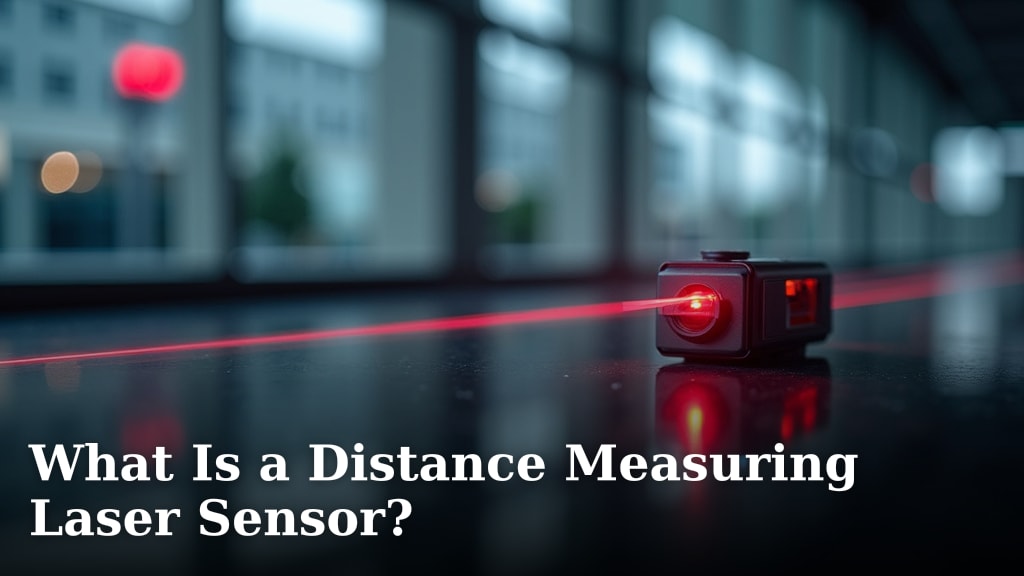
At its heart, a laser rangefinder is a sophisticated light detector. It uses a small, low-power laser diode to send out a pulse of light. This light is usually invisible to the human eye. Think of it like a super-fast, focused flashlight beam. You aim it at your target, and the rangefinder does the rest. The key is how it measures the trip of this light beam.
The Laser Pulse: A Brief, Powerful Burst
The laser part is important. It’s not just any light; it’s a specific type of light called a laser. This means the light waves are all traveling in the same direction and are very concentrated. This makes the beam strong enough to travel a good distance and bounce back. The pulse itself is incredibly short, lasting only a tiny fraction of a second. This speed is essential for accurate readings.
The Return Signal: Listening for the Echo
Once the laser pulse hits an object – say, the flag on a golf course or a building for construction – it bounces off. Some of that light travels back towards your rangefinder. The device has a sensitive laser sensor designed to detect this returning light. It’s like your rangefinder has a really good ear for light echoes.
The Science Behind the Distance Calculation
The magic happens in how the rangefinder uses the time it takes for the light to go out and come back. This is where physics really shines.
Timing is Everything: Measuring the Light’s Journey
The rangefinder has an internal clock that is astonishingly precise. When it sends out the laser pulse, it starts a timer. When the sensor detects the reflected pulse returning, it stops the timer. This gives the device the exact amount of time the light took for its round trip. We’re talking about measurements in nanoseconds, which are billionths of a second!
The Speed of Light: A Constant We Can Trust
Light travels at a constant speed, known as the speed of light. This speed is approximately 186,282 miles per second, or about 299,792 kilometers per second. This constant speed is what allows the rangefinder to calculate distance so reliably. Scientists have measured this speed very accurately over many years.
The speed of light is a fundamental constant in physics. It doesn’t change, making it a perfect tool for distance measurement calculations (NCBI).
The Simple Formula: Distance = Speed × Time
With the travel time and the speed of light, the calculation is straightforward. The rangefinder knows that distance equals speed multiplied by time. Since the light traveled to the object and back, the device divides the total calculated distance by two to calculate the yardage from the rangefinder to the object itself. The same timing principle is explained for laser distance meters.
So, if the light took, for example, 10 nanoseconds to make the round trip:
- Speed of light is roughly 300,000 km per second.
- 10 nanoseconds is 0.00000001 seconds.
- Distance traveled = 300,000 km/s * 0.00000001 s = 0.003 km.
- Distance to object = 0.003 km / 2 = 0.0015 km, or 1.5 meters.
Factors Affecting Accuracy
While laser rangefinders are very accurate, a few things can influence their performance. Understanding these helps you get the best readings possible.
Target Surface Properties
The type of surface you are measuring is important. Dark, non-reflective surfaces absorb more light, meaning less light bounces back to the sensor. Shiny or wet surfaces can scatter the light, making it harder for the rangefinder to get a clear signal. A crisp, solid surface usually provides the best return signal.
Environmental Conditions
Weather can play a role. Heavy rain, fog, or dust can interfere with the laser beam. The light can scatter or be absorbed by these particles in the air. This can reduce the maximum range the device can accurately measure or even prevent it from getting a reading at all. Clear conditions are always best for optimal performance.
Device Quality and Calibration
Like any tool, the quality of the rangefinder matters. Better-quality devices often have more sensitive sensors and more precise timing mechanisms. Additionally, proper calibration ensures the device is accurately measuring time and accounting for the speed of light. Most consumer models are factory-calibrated and do not require user adjustment.
Why Are They So Useful?
The technology behind laser rangefinders might seem complex, but their application is wonderfully simple. They provide immediate, reliable distance measurements, which is a huge advantage in many fields.
For Hunters and Outdoor Enthusiasts
Hunters use them to accurately gauge distances to game, ensuring ethical shots. Golfers rely on them to know the exact yardage to the pin, helping them choose the right club. Hikers might use them to estimate distances to landmarks.
For Construction and Surveying
Builders and surveyors use rangefinders for quick measurements on job sites. This helps in planning, laying foundations, and checking dimensions. The speed and accuracy save significant time compared to traditional measuring tapes or chains.
Other Practical Uses
Even for everyday tasks, they can be handy. Wondering how far it is to that distant tree in your backyard? Or the length of a driveway? A laser rangefinder can tell you in seconds. This makes them versatile tools for a variety of needs.
Quick Checklist for Understanding Your Rangefinder
To recap, here’s what makes your laser rangefinder work:
- Laser Pulse: It sends out a short, focused burst of light.
- Target Reflection: The light hits an object and bounces back.
- Precise Timing: The device measures how long the light takes to return.
- Speed of Light: It uses the known constant speed of light.
- Distance Calculation: It divides the total travel time to find the object’s distance.
- Accuracy Factors: Surface type, weather, and device quality matter.
Conclusion
You’ve seen how your laser rangefinder uses a simple principle: light speed and timing. By sending out a laser pulse and measuring its echo’s return trip, it accurately calculates distances for you. Whether you’re hunting, golfing, or building, this technology offers convenient precision. Understanding the basics means you can better appreciate its performance and factors like target surface and weather. Now that you know how it works, you can confidently use your rangefinder for all your measurement needs.
Frequently Asked Questions
How far can a laser rangefinder actually measure?
The measuring distance depends on the specific model. Most consumer rangefinders can measure several hundred yards. Higher-end models designed for surveying or long-range hunting can measure much further, sometimes over a mile.
Can a laser rangefinder work through fog or rain?
Laser rangefinders can struggle in heavy fog, rain, or dust. These particles can scatter the laser beam, weakening the return signal and reducing accuracy or range. Clearer conditions generally provide the best performance.
What if the target object is very dark or shiny?
Dark, non-reflective surfaces absorb more light, making it harder for the rangefinder to get a clear echo. Very shiny or wet surfaces can scatter the beam. You might get more consistent readings from a surface that is somewhat reflective but not overly so.
Do I need to calibrate my laser rangefinder?
Most consumer-grade laser rangefinders are factory calibrated and do not require user calibration. They are designed to be accurate right out of the box. Professional surveying equipment might have calibration procedures.
Is the laser beam from a rangefinder dangerous?
No, the lasers used in most rangefinders are very low-power and are considered eye-safe. They are typically Class 1 or Class 2 lasers, similar to those found in barcode scanners. It’s still best to avoid looking directly into the beam.