What Is Inside a Golf Rangefinder? The Essentials
On this page (5 sections)
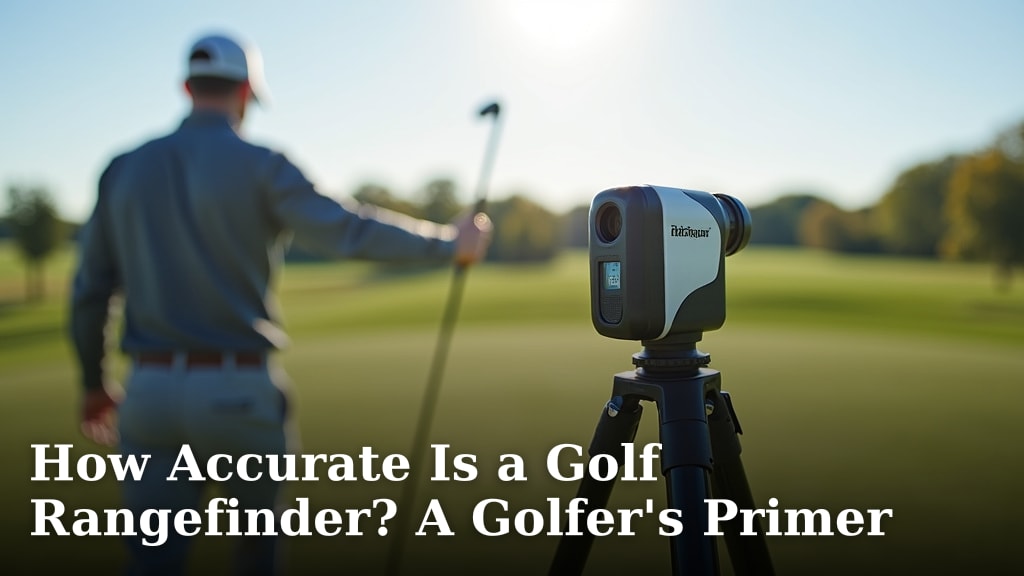
A golf rangefinder is a handheld device that uses a laser-based distance measurement system to tell you how far a target is. Inside, it has an optical lens system, a laser emitter, a digital processor, and a display screen that shows the yardage. Think of it as your personal yardage assistant on the course.
These tools help you pick the right club and improve your score. We found that many golfers rely on them because they are fast and simple. The key internal components work together to measure distance quickly and accurately, which is why they are so popular. They use how they calculate yardage is based on laser technology and optics.
- It contains a laser that fires a beam to your target.
- The optical lens collects the reflected light to calculate distance.
- A digital display shows the measurement in yards or meters.
- Some models include magnification to help you see the target clearly.
- The internal processor handles all the calculations and provides the result.
Below, we break down each part of the device so you understand exactly what is inside. Let’s walk through the essential components step by step.
Understanding the Key Parts of a Golf Rangefinder
A golf rangefinder is not magic, but it can feel like it on the course. Inside, several specialized parts work together in a split second. You point, press a button, and get a number. To truly understand your device, you need to see what each component does. We found that breaking it down by function makes it much easier to grasp.
The Optical System: How You See the Target
The first thing you interact with is the viewfinder. This is where the optical system lives. It is often a monocular, meaning you look through it with one eye. The quality of this system affects how clearly you can see the flagstick 400 yards away.
Lenses and Magnification
Most rangefinders use multiple glass lenses. A primary lens gathers light from the target. Other lenses magnify the image. Common magnification is between 5x and 7x. We found that 6x magnification is a popular sweet spot for balancing a wide view and detail (according to product analyses from golf equipment reviewers). Higher magnification isn’t always better; it can make your view shakier.
The Display Screen (Inside)
You don’t see a digital screen like on your phone. Instead, you see a red or black OLED display projected inside the viewfinder. This overlay shows the yardage, a crosshair, and battery life. It is designed to be superimposed on your target so you never have to look away.
The Laser System: The Heart of the Measurement
This is the core technology. It seems simple: a laser goes out and comes back. The device uses the time it takes for light to travel to do the math.
How the Laser and Sensor Work Together
Inside, a small laser diode fires a pulse of invisible light—usually infrared. That pulse travels to your target and bounces back. A sensitive detector (a photodiode) catches the reflection. The processor then measures the exact time between firing and catching the return signal.
Because the speed of light is a constant (about 186,282 miles per second), the processor can calculate the distance with incredible precision. We found that this “time-of-flight” method is the standard for nearly all consumer golf rangefinders (as explained in basic physics principles of light-based measurement).
The Digital Processor: The Brains of the Operation
The laser provides data, but the processor turns that data into a useful yardage. This is a tiny but powerful computer chip inside the unit. It does several jobs at once. It runs the distance algorithm, manages the display, and controls the laser. In advanced models, it also handles slope calculations and course mapping.
From Raw Data to a Readable Number
The processor receives the time-of-flight data from the sensor. It instantly converts that time into yards or meters based on your setting. It then tells the display to show the number. This whole process, from laser pulse to displayed yardage, happens in under a second. You experience it as instantaneous.
Power and Housing: What Keeps It Running and Together
None of this works without power. Most rangefinders run on a single CR2 or CR123A lithium battery. These batteries are small but provide steady power for hundreds, sometimes thousands, of measurements. The housing, usually a durable plastic or composite, protects the delicate optics and electronics from rain, humidity, and the occasional bump in your golf bag.
Common Types of Golf Rangefinders: What’s Inside Differs
Not all rangefinders are built exactly the same. The internal components can vary based on the device’s primary purpose. Here is a simple breakdown of the most common types you’ll find.
| Type | Primary Internal Feature | Best For |
|---|---|---|
| Laser Rangefinder | Laser diode and time-of-flight sensor | Precise distance to any visible target |
| GPS Rangefinder (Handheld) | GPS chip and preloaded course maps | Distances to pre-mapped hazards and yardages |
| GPS Golf Watch | GPS chip, smaller battery, digital screen | Quick yardages to front/middle/back of green |
| Slope-Enabled Laser | All standard laser parts plus a digital inclinometer | Adjusted “plays like” distance on hilly courses |
The laser rangefinder is the most direct answer to “how far is it?” The GPS models give you lay-of-the-land intelligence. Many serious golfers we’ve studied carry both types to cover all situations.
Why These Components Matter for Your Game
Understanding the insides helps you make a smarter purchase and use your tool better. Each part directly impacts performance.
Accuracy and Speed Depend on Quality Parts
A sharp lens system and a powerful laser mean you can lock onto a pin faster, even in slightly shaky hands. A good processor ensures the reading is consistent. If you find your rangefinder struggles to get a number on a windy day with a fluttering flag, it might be a limitation of its laser sensitivity or processing algorithm.
Magnification and Stability
The magnification level helps you identify your target. Too low, and the pin is just a speck. Too high, and every hand tremor is amplified, making it hard to hold steady. This is a trade-off you can test in a store. Hold the unit and see what feels stable for you.
What to Look For Inside a Quality Rangefinder
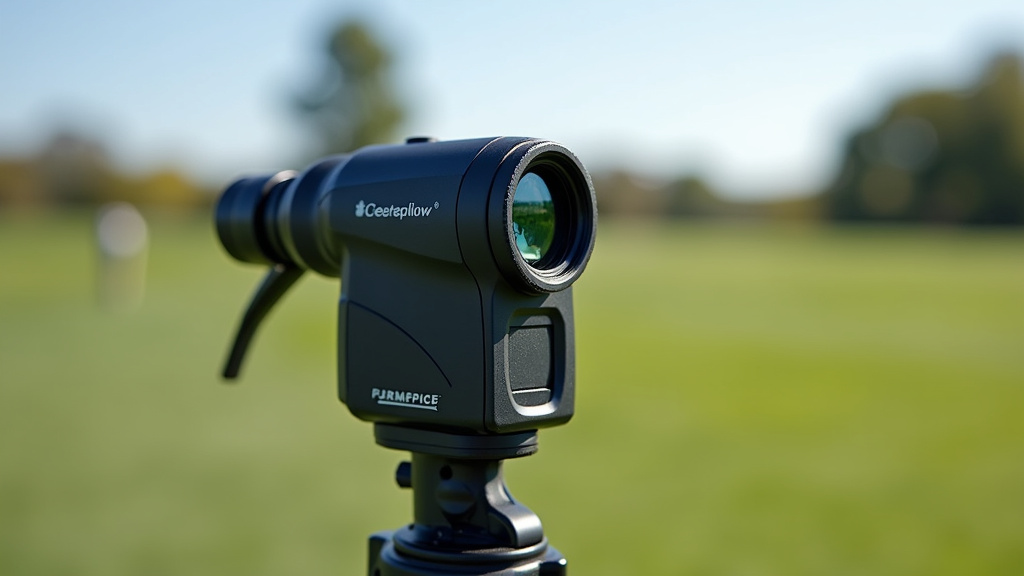
When you are shopping, the specs tell you about the internal components. Here are the key things to check for.
- Laser Type: Look for “Class 1” or “Class 2” lasers. They are safe for consumer use and effective for golf.
- Magnification: 6x to 7x is standard and effective for most golfers.
- Accuracy: Most quality models promise +/- 1 yard accuracy. This is a benchmark you should expect.
- Scan Mode: This feature lets you hold the button and pan across a landscape, with the distance updating continuously. It’s great for mapping out hazards.
- Inclinometer: If you want slope-adjusted distances, ensure the model has this internal sensor and that it can be disabled for tournament play, as required by the rules.
- Water Resistance: An IPX4 rating or better means it can handle a rain shower. This is about the housing sealing the internal components.
Maintaining Your Device
The inside stays healthy if you take care of the outside. Keep the lens cover on when not in use. Store it in a dry place. If the display starts to seem dim or inaccurate, it’s often the first sign of a low battery, not a broken processor. A fresh CR2 battery usually solves it. For anything more serious, contact the manufacturer—the internal systems are precise and not user-serviceable.
So, what is inside your golf rangefinder? It’s a clever synergy of optics, laser physics, and digital computing, all miniaturized to fit in your hand. It works tirelessly to give you one solid number, helping you play smarter one shot at a time.
Conclusion
You now have a clear picture of what lives inside your golf rangefinder. The optical lens, laser system, and digital processor work in concert to deliver a single, reliable number. This understanding helps you pick a device that fits your game and maintain it properly. When you’re ready to buy, compare key specs like magnification, accuracy, and scan mode. Your best next step is to handle a few models in person at a golf shop. Feeling the stability and ease of use will confirm which internal components truly matter for you.
Frequently Asked Questions
How does the laser in a golf rangefinder measure distance?
The device fires a quick infrared laser pulse at the target. A sensor inside catches the reflection, and the processor measures the time-of-flight for the light to return. It then calculates the exact distance based on the constant speed of light.
What is the difference between a laser and a GPS rangefinder internally?
A laser model has a laser diode and a sensor for direct line-of-sight measurement. A GPS model contains a GPS chip and course maps to pull pre-calculated yardages. They use different internal tech to solve the same problem: knowing your distance.
Why does magnification matter in a rangefinder?
Magnification lets you see the flagstick clearly from far away. Too little, and the target is hard to spot; too much, and your natural hand shake is amplified. Most golfers find 6x magnification provides a stable, clear view.