What Is a Handheld Golf Rangefinder? A Closer Look
On this page (8 sections)
Handheld Golf Rangefinders: A Detailed Overview
A handheld golf rangefinder is a device that measures the distance to your target on the golf course. It helps you choose the right club and improve your shot accuracy. Think of it as a digital caddie that lives in your pocket.
You might have seen other players using one and wondered if it could help your game. The short answer is yes, but it’s not magic. To weigh the decision, see whether you need one. It’s a tool that gives you better information so you can make smarter decisions. Let’s break down exactly what this tool does and how it might fit into your golf bag.
How a Golf Rangefinder Works
At its core, a rangefinder is a distance-measuring tool. For more detail, read our golf rangefinder purpose guide.You point it at a flag, a tree, or a bunker, and it tells you how many yards or meters away it is. This seems simple, but the technology behind it is pretty clever.
The Technology Inside the Device
Most modern golf rangefinders use one of two main technologies. The most common is laser technology. You press a button, the device shoots a laser beam at your target, and its internal components calculate the time it takes for the beam to bounce back. This is called the time-of-flight principle. It’s accurate and works well in clear conditions.
The Technology Behind the Measurement
The other type uses GPS. Instead of a laser, it uses satellite signals to find your position on a mapped golf course. It then looks up the pre-loaded distances to key points. GPS rangefinders are often built into watches or handheld units with screens. They can be a bit less precise than lasers for a specific flag, but they offer course-wide data. We found that both types have strong followings among golfers (Golf Digest).
So, which one is better? It depends on your needs. A laser is great for pin-point accuracy on a single target. A GPS is better for getting an overview of the whole hole. Many golfers use both for different situations.
Why Golfers Use Rangefinders
Imagine standing on a tee box. The fairway looks long, and you’re not sure if your 7-iron will reach that bunker. Without a rangefinder, you’re guessing. With one, you know the bunker is 187 yards away. You can then pick a club with confidence. That’s the main benefit: it removes the guesswork.
Research and studies in sports science suggest that accuracy in distance estimation is a key skill in golf. A rangefinder helps you practice that skill by giving you instant feedback. It’s like having a coach on your shoulder, but one that doesn’t talk too much.
Beyond accuracy, rangefinders can help you play faster. Instead of walking off yardages or pacing, you just point and click. This keeps your game moving, which is considerate to players behind you. It also reduces mental fatigue, so you can focus on your swing instead of the math.
Types of Golf Rangefinders You Might Find
Not all rangefinders are the same. When you shop around, you’ll see a few different types. Understanding these can help you choose the right one for your style of play.
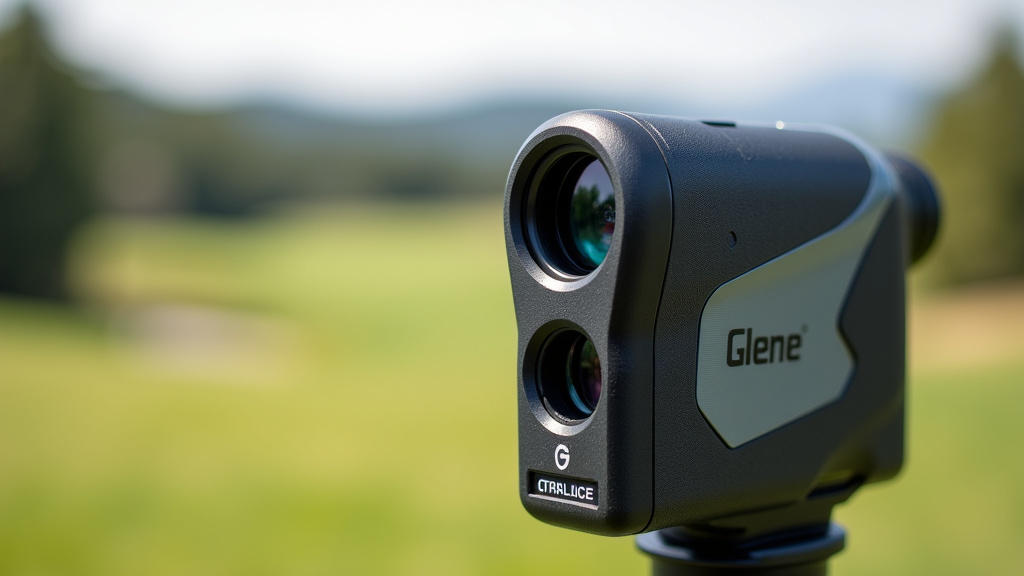
- Laser Rangefinders: These are the most popular for individual golfers. They are handheld, easy to point, and give a quick distance reading. Many models also include slope adjustment, which compensates for uphill or downhill shots.
- GPS Rangefinders: These can be watches, handheld units, or even phone apps. They rely on pre-loaded course maps. They’re great for seeing distances to the front, middle, and back of greens, as well as hazards. Some models require a subscription for course updates.
- Hybrid Models: Some devices combine both laser and GPS features. They might use GPS for a general area and then a laser for precise targeting. These are often more expensive but offer versatility.
We found that the choice often comes down to personal preference. Some golfers love the simplicity of a laser, while others prefer the overview from a GPS. It’s worth trying both if you can.
Features to Consider When Buying One
When you start looking for a rangefinder, it’s easy to get lost in the specs. Here are the key features that matter most for everyday golfers. Focus on these to make a smart purchase.
Accuracy and Range
Accuracy is the whole point of the device. Most quality rangefinders are accurate to within a yard or two. That’s good enough for golf. The range is how far it can measure. For most courses, 400-600 yards is more than enough. If you play on very long courses or want to measure to distant hazards, you might want a longer range.
Accuracy and Range Capabilities
Another important feature is the size of the target. Some rangefinders have a “flag-lock” mode that helps you lock onto the pin, even if there are trees in the background. This is very useful. Also, consider the magnification. Most have 5x-7x magnification, which helps you see the target clearly.
Keep in mind that weather can affect performance. Heavy rain or fog can interfere with laser readings. GPS can be affected by tree cover. But for most conditions, modern devices work well.
Ease of Use and Design
You’ll be holding this device in your hand, so it should feel comfortable. For more detail, read our GPS rangefinder guide.Look for a lightweight, ergonomic design. The buttons should be easy to press, even with gloves on. The display should be bright and easy to read in sunlight. Some models have waterproofing, which is a plus if you play in the rain.
We also found that battery life matters. Most rangefinders use rechargeable batteries or common coin cells. Check how long they last and how easy they are to replace. You don’t want to run out of battery on the 15th hole.
What to Look for When Choosing a Rangefinder
With so many options, how do you pick the right one? Start by thinking about your needs. Are you a casual golfer who plays once a month? Or do you play several times a week and want every advantage? Your answer will guide your choice.
Set a budget. Rangefinders can range from $100 to $400
Conclusion
A handheld golf rangefinder is a tool that measures distance to your target, helping you choose the right club and play with confidence. It uses laser or GPS technology, and comes in types like laser, GPS, or hybrid. We found that it removes guesswork and speeds up play, making it useful for golfers at any level. To get started, assess your playing style and budget, then consider trying a rangefinder to see how it fits your game. It’s a simple way to add accuracy and enjoyment to every round.
Frequently Asked Questions
How accurate are golf rangefinders?
Most quality rangefinders are accurate to within 1-2 yards, which is ideal for golf. Laser models are especially precise for targeting flags. However, weather like fog can sometimes affect readings.