Bushnell Pro X3 Rangefinder Review: Worth It? (November 2026)
The original Bushnell Pro X3 suits golfers seeking a premium laser rangefinder with slope-adjusted distances. Compare its course features with the Pro X3+ Link and simpler alternatives before deciding which functions you need.
On this page (8 sections)
- What does the Bushnell Pro X3 offer?
- Who should consider the original Pro X3?
- How does the Pro X3 compare with other Bushnell models?
- What can a golf rangefinder measure?
- How should you use a Bushnell rangefinder during a round?
- What are the alternatives to the Pro X3?
- What else should you compare before buying?
- Is the Bushnell Pro X3 right for your game?
The original Bushnell Pro X3 is aimed at golfers who want premium laser ranging with slope-adjusted distances. Compare its course features with what you actually use during a round, then weigh the original against newer models and simpler alternatives.
We compared the available product details and related Bushnell rangefinder options.
What does the Bushnell Pro X3 offer?
The original Pro X3 is worth considering if you want a laser rangefinder as your main way to check distances on the course. Focus your comparison on its ranging and slope features, plus whether its controls fit your routine.
TUSITA Silicone Case Compatible with Bushnell PRO: Best for added case protection

- Silicone case
- Compatible with Bushnell Pro X3 and X3+
- Precise cutouts
A silicone case made to fit the Bushnell Pro X3 and X3+. Consider it if you want a snug cover with access to the rangefinder's buttons and functions.
Pros
- Designed for Pro X3 and X3+
- Flexible silicone material
- Cutouts allow access to controls
Cons
- Adds no ranging or course features
A case can help protect the device from scratches and impacts, but it doesn't add ranging functions. The TUSITA silicone case is designed for the Pro X3 and X3+ and has cutouts intended to keep the controls accessible.
If you want help comparing models across the brand, see our guide to the best Bushnell golf rangefinder. It can help you decide whether the original Pro X3 fits your needs or another Bushnell format makes more sense.
Who should consider the original Pro X3?
The Pro X3 makes the most sense for a golfer who prefers aiming a laser at a target and wants slope-adjusted distance information. It may be more rangefinder than you need if a basic distance reading is enough for your course decisions.
Choose your priority before comparing models:
- Slope information: Consider how often elevation changes affect your club choice and whether slope-adjusted readings fit your routine.
- Simple operation: Fewer controls may suit you if you only want a quick target distance.
- Device format: A laser rangefinder requires aiming at a target, while GPS devices use a different approach to course distances.
- Budget: Premium features only matter when you'll use them often enough to justify the added cost.
A rangefinder can help you make a more informed club choice, but it doesn't select the club or account for every factor in a shot. Wind, lie, temperature, hazards and your own carry distances still matter.
For a plain-language explanation of how these devices fit into a round, read what is the point of a golf rangefinder.
How does the Pro X3 compare with other Bushnell models?
Compare the original Pro X3 with other Bushnell models by the way you prefer to get distance information. A hybrid device and a newer model may suit different routines, so compare their current features rather than relying on the name alone.
The Bushnell Tour Hybrid rangefinder review is useful if you want to compare a hybrid format with a laser-first device. Consider how you use GPS information during a round and whether you still want to aim a laser at individual targets.
The Bushnell Pro X3+ Link review covers the separate Pro X3+ Link model. Check its current features and compatibility before treating it as a direct replacement for the original.
These models serve different needs. The right choice depends on whether you want a straightforward laser routine, a hybrid approach or added connected features.
What can a golf rangefinder measure?
A golf rangefinder can help you get a distance to a visible target, but the exact measurements depend on the device. Check the functions for the model you're considering and understand which reading is shown before using it to plan a shot.
Some models include slope compensation, which adjusts the distance using elevation information. Others may offer scan modes or target confirmation.
Don't assume every rangefinder includes the same functions.
Our guide to what a golf rangefinder can measure explains common readings and what they can tell you. It can also help you decide whether you need slope or only a direct distance.
How should you use a Bushnell rangefinder during a round?
Use a consistent aiming routine: pick a clear target, hold the device steady, take the reading and confirm that it matches the target you intended. Practice on the course or at the range before relying on the device in a competitive round.
Start with a visible flag or another fixed object. Avoid aiming through branches or at a background object behind the target, since the device may register a different surface than you intend.
The how to use a Bushnell rangefinder guide walks through aiming and reading distances. Follow the instructions for your exact model, since controls and modes can differ.
What are the alternatives to the Pro X3?
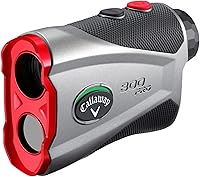
The Callaway 300 Pro is an alternative if you want an external switch for slope. It has a stated range of 5–1000 yards, 6x magnification, pin locking up to 300 yards and a vibration signal confirming distance.
Callaway 300 Pro Golf Laser Rangefinder: Best for an external slope switch

- 5–1000 yard range
- 6x magnification
- Slope on/off switch
The Callaway 300 Pro offers slope-adjusted distance, pin locking and a visible external switch to turn slope off for tournament play.
Pros
- External slope on/off switch
- Pin Acquisition Technology locks onto pins up to 300 yards
- Vibration confirms distance
- Integrated cart magnet
Cons
- Alternative brand and model, not the Bushnell Pro X3
Its integrated magnet is designed to attach to a cart frame, and the included hard case has a carabiner and elastic quick-close band. Those details may matter if you carry a cart and want the device within reach.
The Acer Gadget rangefinder offers a different set of features, including slope on/off, flaglock vibration and a USB-C rechargeable battery. Its stated range is 800 yards, with 6x magnification.
Acer Gadget Golf Rangefinder with Slope On/Off: Best for rechargeable operation

- 800 yard range
- 6x magnification
- USB-C rechargeable battery
The Acer Gadget combines slope modes with a USB-C rechargeable battery. It suits golfers comparing a rechargeable option with the original Pro X3.
Pros
- USB-C rechargeable battery
- Slope on/off
- Flaglock vibration
Cons
- Alternative brand and model, not the Bushnell Pro X3
These alternatives aren't substitutes for comparing the original Pro X3's own specifications. Check each model's current information and make sure its features match how you'll use it.
What else should you compare before buying?
Compare the controls, display and power needs that affect your routine, along with the device's stated functions. A feature list matters most when it answers a practical question about how you'll use the rangefinder.
Think through these points:
- Target selection: Will you usually aim at a flag, a hazard or another fixed point?
- Slope use: Do you want adjusted distances, and do you need a clear way to switch slope off?
- Confirmation: Would vibration help you know when the device has locked onto a target?
- Power: Do you prefer a replaceable battery or a rechargeable device?
- Carrying: Will you keep it in a case, carry it in a bag or mount it on a cart?
A rangefinder is only one part of course preparation. If you're also comparing equipment for practice, our guide to Bushnell Launch Pro vs LPi covers a separate category of launch monitor.
Is the Bushnell Pro X3 right for your game?
The original Pro X3 is a fit for golfers who want premium laser ranging and expect to use slope information on the course. Compare it with the Pro X3+ Link if you want to evaluate another model in the same range, and consider a simpler alternative if your priority is a basic distance reading.
Pick a laser rangefinder if you like aiming at individual targets; choose a hybrid if you want a different way to access course distances. If you're choosing equipment alongside your balls, our top 10 best golf balls guide covers another part of your setup.
Frequently asked questions
What does the Bushnell Pro X3 review cover?
This review focuses on how the original Pro X3 fits golfers shopping for premium laser ranging. Compare the features that matter to your round, such as slope-adjusted distances, then check current manufacturer information for the exact model and included accessories before you buy.
Should you choose the original Pro X3 or Pro X3+ Link?
Choose by the features you want and the model details Bushnell currently provides. The Pro X3+ Link is a separate model, so compare its functions and compatibility with the original Pro X3 rather than assuming the names mean the devices work the same way.
Can you use slope during tournament play?
Tournament rules and event policies determine whether slope functions can be used. Check the rules for your event and make sure you know how to disable slope when required.
The Callaway 300 Pro, for example, has an external slope switch described as legal for tournament play when switched off.
How should you use a laser rangefinder on the course?
Aim at a specific target, confirm the reading, and use the distance alongside your own club knowledge and course conditions. Read the device instructions before play so you understand its controls and any slope setting.
Our Bushnell rangefinder guide covers a practical setup and aiming routine.