Spiked vs Spikeless Golf Shoes: Which Should You Choose? (November 2026)
Choose spiked shoes for a more secure feel on wet or sloped turf, and spikeless shoes for easy walking on and off the course. Your swing, course conditions and need for everyday versatility should guide the choice.
On this page (6 sections)
Choose spiked shoes for a more secure feel on wet or sloped turf, and spikeless shoes for easy walking on and off the course. Your swing, course conditions and need for everyday versatility should guide the choice.
The difference is underfoot: spiked shoes use separate cleats, while spikeless shoes rely on molded tread or traction lugs built into the outsole. Both can work well, but each asks you to make a different tradeoff.
If you’re still deciding how to choose golf shoes, start with fit and course conditions, then compare the traction style. The shoes should feel secure through your swing and comfortable over the distance you walk.
Spike or no spike golf shoes: which should you choose?
Choose spiked shoes if your rounds often involve wet grass, slopes or a need to replace worn cleats. Choose spikeless shoes if you want one pair for the course and casual wear.
Spiked models have separate cleats that dig into turf. Many have replaceable cleats, so you can change them when worn, provided you use a compatible replacement.
Spikeless models use a fixed outsole with molded shapes, lugs or rubber traction areas. There are no separate cleats to replace, and the lower-profile tread often feels more natural on paths and hard surfaces.
The name alone doesn’t settle traction. Outsole shape, turf conditions, shoe fit and your swing all matter, so consider where you play most often.
What are spikeless golf shoes designed to do?
Spikeless golf shoes use built-in tread instead of separate cleats. Their outsole can offer traction for golf while staying comfortable for walking between the course and other settings.
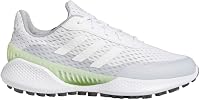
For example, the adidas Tech Response 3.0 has a spikeless Traxion outsole with lugs designed for multidirectional grip. The adidas S2G ’24 uses a rubber outsole for versatile traction from course to clubhouse.
Spikeless shoes are not all the same. Look at the outsole pattern and the conditions you face rather than assuming every pair has equal grip.
Which style gives you more traction?
Spiked shoes can give you a more planted feel when the ground is damp or uneven, while spikeless tread may be enough for firm, dry courses. Your footing can still vary with the shoe’s design and how you move through the swing.
Separate cleats can bite into turf, which may help when you push off or rotate. But a spiked outsole doesn’t make every swing stable; shoes that fit poorly can let your feet move inside them.
Spikeless outsoles can also have pronounced traction. The Tech Response 3.0’s Traxion lugs are designed for grip in multiple directions, while the ULTIANT shoe has a fixed TPU outsole with molded claws.
Are spikes better on wet or sloped turf?
Spikes may suit golfers who often play on damp grass or sloped lies, but no outsole guarantees secure footing. Wet turf, steep ground and worn tread can all affect how stable you feel.
A spikeless shoe can still work in wet conditions if its outsole and water protection suit your needs. The ULTIANT shoe pairs a fixed spikeless outsole with a waterproof microfiber upper, for example.
Water protection and traction solve different problems. A waterproof upper helps keep moisture out of the shoe, but it doesn’t tell you how much grip the outsole will have on a slick slope.
If wet rounds are common, compare the best waterproof spiked golf shoes with best waterproof spikeless golf shoes for men. Match the outsole and upper to the conditions you actually play in.
Can spikeless shoes hold up through a full round?
Yes, spikeless shoes can suit a full round if the fit and tread feel secure for your course. Try them on with your golf socks and check that your heel stays in place when you shift your weight.
The cushioning features can also matter during a long walk. The Tech Response 3.0 includes Bounce cushioning, and the S2G ’24 has a Lightstrike midsole and OrthoLite sockliner.
Those features describe the shoes, but comfort depends on your feet and fit. If you walk many holes, pay attention to pressure points and how your feet feel late in a round.
Which golf shoes are more comfortable?
Neither style is automatically more comfortable; fit, cushioning and the way you walk matter more than the presence of cleats alone. A spikeless outsole may feel easier on hard paths, while a well-fitted spiked shoe can feel secure on turf.
Try shoes later in the day, when your feet may be slightly larger, and wear the socks you use for golf. Check for heel slip, toe pressure and enough room to stand and rotate.
For golfers who walk from the parking area or clubhouse to the first tee, spikeless shoes can avoid the feel of separate cleats on hard ground. The best spikeless golf shoes can help you compare options built around that convenience.
If you want a spiked pair, browse best spiked golf shoes and look for a fit that holds your foot through a swing without pinching. Golfers shopping by fit can also compare best wide spikeless golf shoes for men or best mens extra wide spikeless golf shoes.
Which style is easier to maintain?
Spikeless shoes need less cleat upkeep, while replaceable spikes let you refresh a spiked shoe’s traction. Both styles need cleaning and drying after play.
With spikeless shoes, brush grass and dirt from the tread so the pattern stays clear. Check the outsole for worn or damaged areas, since its tread is built into the shoe.
With spiked shoes, inspect the cleats for wear and make sure they stay secure. Replacement cleats must match the shoe’s attachment system; the adidas 2017 Golf ThinTech® EXP Cleat pack includes 20 pins and a wrench, but check compatibility with your shoe before buying.
You can also compare best golf shoes with cleats if replaceable traction is a priority. For women’s options, see best women's spiked golf shoes or best spikeless golf shoes for women.
Are spikeless shoes more versatile away from the course?
Spikeless shoes are usually the more convenient choice if you want to wear your golf shoes on paths or into the clubhouse. Their built-in tread avoids separate cleats underfoot, though the outsole may still pick up dirt.
Spiked shoes are more focused on course use. Cleats can feel awkward on hard surfaces, and some venues may restrict golf shoes indoors, so check local rules before wearing them elsewhere.
If you’re choosing one pair for both golf and casual wear, look at the shoe’s styling, outsole and upper. The S2G ’24 is described as having a streetwear feel and a rubber outsole intended for use from the course to the clubhouse.
Which shoe style fits your golf routine?
Pick spiked shoes if you want replaceable cleats or often play on damp, sloped turf; pick spikeless shoes if walking comfort and everyday versatility matter more. For uncertain conditions, prioritize a secure fit and an outsole suited to the courses you play.
Our score weighs specs, features and buyer feedback against what you’re shopping for. The adidas cleat pack scores highest here because it serves golfers maintaining compatible spiked shoes; the spikeless shoes suit different needs, from wet-weather use to walking comfort.
The best spiked golf shoes and best spikeless golf shoes guides can help you compare specific options. For women’s waterproof styles, see best waterproof golf shoes for women spikeless.
The USGA has reported that outsole designs can affect visible traffic on putting greens, so avoid dragging your feet or twisting unnecessarily on the green. Read the USGA research update on golf shoe designs.
Choose the shoe that feels secure on your usual course and comfortable through a full round. Pick spikes for replaceable cleats and a planted feel, or spikeless shoes for easier walking beyond the course.
Frequently asked questions
Are spiked golf shoes better than spikeless?
Spiked shoes can be a better fit when you want replaceable cleats and extra bite on damp, sloped or soft turf. Spikeless shoes suit golfers who value walking comfort and wearing the same shoes away from the course.
Neither style is best for every player or condition.
What are spikeless golf shoes?
Spikeless golf shoes use a shaped rubber or molded outsole instead of separate screw-in cleats. Their tread can provide grip for golf while making the shoes easier to wear between the course and other settings.
Traction varies by outsole design and course conditions.
Do spikeless golf shoes work in wet grass?
Some spikeless shoes are made for wet conditions, but tread patterns differ, and damp slopes can make footing harder. Check the shoe's stated water protection and outsole design, then consider how wet your usual course gets.
A waterproof upper helps keep moisture out but doesn't guarantee grip.
Can spiked golf shoes be worn off the course?
You can walk in spiked shoes, but cleats may be less convenient on hard floors and may mark some surfaces. Check course and venue rules, and avoid wearing golf shoes where the cleats could damage flooring.
Spikeless outsoles are usually the more practical choice for errands after a round.
How often should you replace golf shoe spikes?
Replace cleats when they are worn, damaged or no longer provide the fit and grip you expect. The timing depends on how often you play, how you walk and the surfaces you cross.
Check your shoe maker's instructions and confirm the replacement cleat matches your shoe.