How to Waterproof Golf Shoes
Clean the shoes, identify the upper material, and use only a compatible water-repellent treatment. Let them dry fully between steps, and follow the shoe maker's care instructions.
On this page (11 sections)
- How to Waterproof Golf Shoes
- How do you waterproof golf shoes safely?
- Does the upper material change the waterproofing method?
- Should you waterproof golf shoes that are already water resistant?
- How should you clean golf shoes before applying treatment?
- How do you dry golf shoes without harming them?
- Where should you apply waterproofing treatment?
- Can waterproofing affect golf shoe color or grip?
- When should you reapply a water repellent?
- Which waterproof golf shoes might need less added treatment?
- What is the simplest way to keep golf shoes more water resistant?
How to Waterproof Golf Shoes
To waterproof golf shoes, clean them, identify the upper material, and apply a compatible water-repellent treatment according to its label and the shoe maker's care guide. Let the shoes dry completely, and remember that treatment can improve water resistance without making every shoe fully waterproof.
Start with the shoe's material and current condition. Leather, suede, and synthetic or textile uppers may need different care, and a treatment that suits one can stain or damage another.
How do you waterproof golf shoes safely?
Use a treatment designed for your shoe's upper, after cleaning and drying it. Check the shoe care instructions before using sprays, waxes, or conditioners.
- Remove loose dirt with a soft brush or cloth.
- Let the shoes dry at room temperature.
- Check the upper material and care instructions.
- Test a compatible treatment on a hidden area.
- Apply it as directed, keeping it off the sole and traction areas.
- Let the shoes dry fully before wearing them.
If the test spot changes color or texture, stop and don't treat the rest of the shoe. For expensive or delicate leather, a shoe-care professional can help you choose a suitable method.
Does the upper material change the waterproofing method?
Yes. Match the treatment to the shoe's upper material.
Check the care label or manufacturer guidance if you're unsure whether the upper is leather, suede, or synthetic.
How should you treat leather golf shoes?
Clean leather with a soft brush or damp cloth, using only a cleaner approved for that leather. Once dry, apply a leather-safe water repellent or conditioner if the shoe maker permits it.
Use a small amount and spread it evenly as directed. Too much product can darken leather, leave a residue, or affect its finish.
What about suede golf shoes?
Suede needs a treatment labeled for suede, plus a soft suede brush for dry dirt. Avoid waxes and oils unless the shoe maker specifically recommends them, since they can flatten the nap or leave marks.
Let mud dry before brushing it away gently. Don't scrub wet suede, which can push dirt deeper into the fibers.
Can you treat synthetic or textile uppers?
Use a spray or treatment whose label names the shoe's material, such as synthetic fabric or textile. Test first, then apply an even, light coat rather than saturating the upper.
Some shoes already have a water-resistant finish. For example, Skechers describes the Skechers Men's Pivot Spikeless Golf Shoe as having a water-resistant treated upper.
For more options, see waterproof Skechers golf shoes.
That built-in treatment doesn't mean you should add another product automatically. Check the care instructions first, especially if you want to preserve the upper's finish.
Should you waterproof golf shoes that are already water resistant?
Start by checking the shoe's care instructions and testing how it handles light moisture. A shoe with a water-resistant upper may not need another treatment, and an added coating could affect the material.
Water-resistant and waterproof don't always mean the same thing. A water-resistant shoe can help with light moisture, while prolonged rain, standing water, or a worn seam may still let water in.
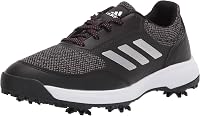
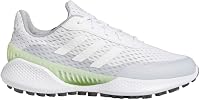
The adidas Tech Response 3.0 is described as having a waterproof upper. Its textile and synthetic upper still calls for care that matches the manufacturer's instructions.
If you want to compare shoe types before buying, see the best waterproof golf shoes. If you're still choosing a fit and style, how to choose golf shoes covers the basics.
How should you clean golf shoes before applying treatment?
Remove dirt first, because mud and residue can interfere with a treatment. Use a soft brush for dry debris and a damp cloth for marks, following the shoe maker's care directions.
Take out the insole and laces only if the shoe's care instructions allow it. Clean laces separately, and don't soak the shoe or place it in a washing machine unless the manufacturer says that's safe.
Wipe away cleaner residue with a clean damp cloth, then leave the shoes to air dry. Don't apply a treatment while the upper is wet or still warm from another drying method.
How do you dry golf shoes without harming them?
Air-dry golf shoes at room temperature, away from direct heat. Remove loose insoles if permitted, and open the shoes to help air circulate.
Avoid radiators, hair dryers, and direct sunlight. Strong heat can affect adhesives, shape, and some upper materials.
If the shoes are wet inside, stuff them loosely with plain paper to absorb moisture, then replace the paper as it gets damp. Don't pack them so tightly that the upper stretches.
Where should you apply waterproofing treatment?
Apply treatment to the upper only, following the label's coverage instructions. Keep sprays, waxes, and conditioners away from the outsole, spikes, and traction elements.
Treat shoes outdoors or in a well-ventilated area when the product label calls for it. Keep spray away from your face, other people, and nearby surfaces.
A little product can go a long way. Don't layer different treatments unless both labels or the shoe maker say they're compatible.
Can waterproofing affect golf shoe color or grip?
It can affect color or finish, and residue on the outsole can affect traction. That's why a hidden-area test and careful application matter.
Test the product where a small change won't show during wear. If the spot darkens, becomes sticky, or changes texture, don't continue.
For traction, keep treatment off the sole and clean any accidental residue promptly using the shoe maker's instructions. For help choosing a sole style, read about spike or no spike golf shoes.
When should you reapply a water repellent?
Reapply only when the shoe's protection has faded and the treatment label allows it. Frequent wet rounds and repeated cleaning can affect how long a finish lasts.
Don't use a fixed schedule unless the treatment or shoe maker provides one. First clean and dry the shoe, then check whether water still beads on the upper.
If the shoe's seams or lining are letting water through, another surface coating may not solve the problem. Check the warranty or contact the manufacturer about repair or replacement options.
Which waterproof golf shoes might need less added treatment?
Shoes sold with water-resistant or waterproof uppers may need less extra treatment, but their care instructions still matter. These examples have different upper descriptions, so use them as a reminder to match care to the shoe.
The adidas Tech Response 3.0 has a textile and synthetic upper and is described as waterproof. The same model name appears in both supplied product entries, so confirm the specific shoe and its care guidance before buying.
For fit-focused options, compare the best waterproof golf shoes for women, the best waterproof golf shoes in black, or the best wide waterproof golf shoes. Golfers who prefer dial closures can also see the best BOA golf shoes for men and the best ECCO golf shoes for women.
What is the simplest way to keep golf shoes more water resistant?
Clean shoes after muddy rounds, dry them fully, and use only material-compatible care products. This routine helps protect the upper without relying on heavy coatings.
Choose a leather-safe product for leather, a suede-specific spray for suede, and a compatible treatment for synthetic or textile uppers. Skip extra treatment when the shoe maker advises against it.
For your next pair, choose shoes with protection that matches your usual conditions, then follow their care instructions. The right fit and construction matter too, so start with how to choose golf shoes.
Frequently asked questions
Can you waterproof golf shoes at home?
You can improve water resistance at home with a treatment made for the shoe's upper material, but follow the care instructions first. Clean and dry the shoes, test the treatment on a hidden spot, and apply it as directed.
A treatment cannot guarantee that a shoe will stay dry in prolonged or deep water.
Can you use waterproof spray on golf shoes?
Use waterproof spray only if its label says it suits the shoe's material. Some sprays can mark leather, suede, or coated fabrics, so check the shoe care guide and spray instructions first.
Apply lightly in a ventilated area, let the shoes dry fully, and avoid the sole and traction areas.
How do you waterproof leather golf shoes?
Clean leather golf shoes with a soft brush or cloth, then use a leather-safe water repellent or conditioner that the shoe maker allows. Test it on a hidden area and follow the label.
Avoid soaking leather, which can dry it out or change its finish.
How often should you waterproof golf shoes?
Reapply only when water no longer beads as it did before, or as the treatment label directs. Cleaning, frequent wet rounds, and the shoe material affect how long protection lasts.
Let shoes dry between rounds and avoid layering treatments without checking compatibility.