How to Hit a Golf Ball Higher
To hit the golf ball higher, set up with the ball forward, use an upward swing path, and strike the lower half of the ball while keeping your chest behind it. A wider stance, a slightly open stance, and a club you can swing up on all help you add loft without scooping.
On this page (9 sections)
- How to hit the golf ball higher with your driver
- What ball position creates a higher launch?
- Which stance helps you hit the ball higher?
- How can you swing up through the ball?
- What contact point sends the ball higher?
- Which golf ball helps with higher flight?
- What mistakes keep the ball low?
- How do you practice higher shots without bad habits?
- Which setup should you try first?
To hit the golf ball higher, place the ball forward in your stance, tilt your shoulders, and swing up through impact instead of chopping down on it. Clean contact on the lower part of the ball face matters too, because a good path with poor contact still sends the ball low and short.
Higher shots start before the swing, with setup, ball position, and club choice working together. Golfers often try to lift the ball by flipping their wrists, leaning back, or standing up through impact.
Those moves usually create fat shots, thin shots, and lost distance.
How to hit the golf ball higher with your driver
Your driver offers the easiest route to a higher flight because it has the least loft and the longest shaft. Play the ball just inside your front heel on a tee and tilt your shoulders so your right shoulder sits lower than your left.
That tilt helps the clubhead rise as it reaches the ball.
Set your feet wider than shoulder width and keep your weight balanced or slightly back. A ball too far back forces a downward blow and kills launch.
Swing up and out through the ball, not across your body. A higher tee also helps you sweep under the ball without the shaft digging in.
For full driver mechanics, our guide on how to drive the golf ball covers grip, aim, and swing sequence. Read it first if your main problem is a low, slicing drive.
What ball position creates a higher launch?
Ball position is the first change most golfers should make. Forward position lets the clubhead pass its lowest point before the ball, so it starts moving up at contact.
That small timing change can raise launch without changing grip or stance.
Play a driver just inside the front heel. Move fairway woods and hybrids slightly back from that, but still ahead of center.
Move irons closer to the middle as loft rises. Lower loft clubs go farther forward so you can catch them on the rise.
Do not push the ball too far forward with every club. That can make you reach, sway off the ball, and hit its top.
Keep your head behind the ball through impact if you hit down on it.
Test one change at a time. Move the ball forward one inch, hit five balls, and keep it if flight rises without fat contact.
Which stance helps you hit the ball higher?
A wider stance can help you swing up more freely. Place your feet a little wider for the driver, turn your front foot slightly open, and spread your weight evenly.
That gives you room to turn and rise through the ball without swaying.
An open stance can also help by pointing your body slightly left of target. Do not overdo it, or you may swing across the ball and add slice spin.
Tilt from the waist so your right shoulder drops below your left at address. This sets the clubhead behind the ball and helps it approach from below.
Many low shots start with level shoulders that send the club down into the ball.
Keep grip pressure light so your wrists hinge naturally in the backswing. Keep your chest behind the ball until the club passes through impact.
How can you swing up through the ball?
An upward swing path is the core of higher launch. Think of the clubhead traveling up and out after impact, rather than down and left across your body.
That path adds launch and reduces the low flight that comes from hitting down on a driver.
A drill can make it clear. Place a tee a few inches in front of the ball and try to clip it on the way through.
That trains the clubhead to rise after contact. Start slow with a short swing and build speed only when flight improves.
Do not confuse this with standing up early. The club can rise while your chest stays behind the ball and your hands stay forward.
What contact point sends the ball higher?
Contact point decides whether your setup changes work. Strike the ball on the lower half of the clubface for a higher launch, but avoid the very bottom edge.
The lower half adds launch, while the bottom edge creates a weak, low shot.
Thin shots fly low because the ball hits high on the face. Fat shots fly low because the club hits the ground first and loses speed.
Clean contact just under the center is the sweet spot for height and distance.
Use foot spray or face tape to see strike marks. You do not need a launch monitor, so watch flight first and then check your strike.
If driver shots fly very low, check for a downward blow before changing clubs. Move the ball forward, raise the tee slightly, and tilt your shoulders more.
For irons, use a shallow, forward strike that catches the ball then the turf. Our guide on how to hit a golf ball higher with irons covers iron setup and divot control.
Which golf ball helps with higher flight?
Ball choice affects flight, spin, and feel, and it can work with your swing changes. A softer, lower compression ball can help slower swingers launch the ball higher with less effort.
Higher swing speed players often need a ball that does not spin too much off the driver.
The Vice Drive is a 2-piece ball with a soft core and a 368 dimple design. Vice says it suits players with low to medium club head speed, and the tough, cut-resistant cover helps it hold up to repeated strikes.
For a player learning to launch up, that durability matters because practice swings can be rough at first.
The WILSON Profile Distance 36 pack takes a different path. Wilson says its high energy core and low compression design help with distance and a soft feel.
Its spin reducing dimple pattern is meant to cut hooks and slices. That appeals to golfers who want height with less sideways spin, and the 36 ball count suits heavy practice.
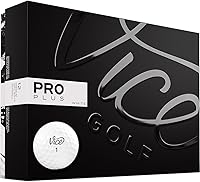
The Vice Pro Plus is a 4-piece cast urethane ball built for higher swing speeds. Vice says it gives driver distance with spin control and an extra-thin cover for tee to green performance.
That construction suits faster swingers who already hit the ball high but want control on approach shots.
Our wider buying guide at top 10 best golf balls compares more options if you want to shop by swing speed and budget. Use it after you fix your setup, because the right ball helps most when contact is already clean.
Change your setup first, then match the ball to your swing speed.
What mistakes keep the ball low?
The most common mistake is trying to pick the ball up with your hands. Flipping the wrists early adds loft at the face but kills speed and solid contact.
The ball may pop up short or dribble along the ground.
A ball too far back forces the club down into the ground and sends the ball low even with plenty of loft. Move it forward in small steps and watch the flight change.
Standing up through impact also kills launch. When your body rises early, your spine angle changes and the clubhead can strike low on the face.
Stay down with your chest behind the ball until the club passes impact. A closed stance can flatten flight too, so open it a little or square it and swing up and out.
Tight grip pressure can make the clubhead bottom out. Hold the club gently enough to let your wrists hinge, then let it release through the ball.
How do you practice higher shots without bad habits?
Practice works best when you change one variable at a time. Start with ball position, then add tee height, then check swing path.
Hit five balls with your normal setup and watch flight. Move the ball forward one inch and hit five more.
Raise the tee slightly and hit five more, then add the shoulder tilt and swing up cue. Stop when flight rises and contact stays clean.
The range is a good place for this work, but the course will show the truth. A shot that flies high on the range but dives low on the course often means your stance or tempo changed under pressure.
If distance matters as much as height, read our guide on how to hit the golf ball farther. Higher launch and more distance often come from the same clean, upward strike.
Keep a small log of ball position, tee height, flight, and strike for each set of five shots.
Which setup should you try first?
Start with the simplest setup that matches your swing. Play the ball forward, widen your stance slightly, tilt your shoulders, raise the tee a little, and swing up through the ball.
Those five changes form a complete system for higher launch with the driver.
Pick the ball that fits your speed after those changes. Slower swingers often like the Vice Drive or the WILSON Profile Distance for a softer launch and less spin.
Faster swingers who want control may prefer the Vice Pro Plus. Choose by swing speed and spin needs, not by hope alone.
Avoid rescue moves that look fast but cost contact. Skip wrist flipping, leaning back, standing up early, and pushing the ball to the front toe with every club.
Clean contact on the lower half of the face, with an upward path, is the real source of height. If your problem is mainly with irons, use the iron guide next.
If your problem is distance and slice, fix the driver path next.