How to Drive a Golf Ball
Learn how to drive the golf ball by setting the ball just inside your front heel, teeing it so half the ball sits above the driver, and swinging up through the ball. Keep your weight balanced, make a wide turn, and strike the lower half of the ball on the upswing.
On this page (11 sections)
- What tee height works best for a driver?
- Where should you place the ball in your stance?
- How should you grip the driver for control?
- How do you make a wide, powerful backswing?
- How should you hit up through the ball?
- Why does your drive slice and how do you fix it?
- How do you strike the center of the face?
- Which golf ball suits your swing speed?
- How can you practice driving on the range?
- What small setup checks fix weak drives?
- How do you put it all together on the course?
Learn how to drive the golf ball by setting the ball just inside your front heel, teeing it so half the ball sits above the driver, and swinging up through the ball. Keep your weight balanced and strike the lower half of the face on the upswing.
That setup handles most drives. Small changes to tee height, ball position, and contact fix most slices and weak shots.
Test one change at a time and judge it over five balls.
What tee height works best for a driver?
Set the tee so about half the ball sits above the top of the driver face. That height helps you catch the ball on the upswing.
Too low can cause downward contact, low flight, and extra spin. Too high can cause weak contact near the top of the ball.
Start with the half ball rule and adjust by only a few millimeters at a time. Use a lower tee in strong wind, and a higher tee on calm days for more height.
Where should you place the ball in your stance?
Place the ball just inside your front heel for a right handed golfer. Left handed golfers mirror that spot near the left heel.
Set your stance about shoulder width or a little wider. Point your front foot slightly open, roughly 20 to 30 degrees.
Move the ball forward a fraction if you catch it low on the face. Move it back a fraction if you top it or catch it high.
Stand tall enough to swing freely, with arms hanging naturally and your chin up.
How should you grip the driver for control?
Use a neutral to slightly strong grip with both hands working together. The Vs should point roughly toward your chin or outside shoulder.
A grip that is too weak often leaves the face open and pushes the ball right. A grip that is far too strong can close the face early and pull the ball left.
Keep pressure even in both hands. Grip hard and your wrists lock, which reduces clubhead speed.
Grip too lightly and the club can twist at contact.
Check your glove hand first when shots keep curving one way, but remember both hands set face angle.
How do you make a wide, powerful backswing?
Turn your shoulders and chest away from the target on a wide arc. Keep your arms and club in a large shape.
Shift weight to your back foot without swaying back. That turn stores movement for the downswing.
Keep your head steady in place. Lifting it early often stops the turn and leads to a slice.
Let both knees keep a little give. Practice slow swings first and hold the finish at the top to learn the sequence.
How should you hit up through the ball?
Swing up through the ball with the driver, so the clubhead is rising at contact. That upswing matches the driver design and helps launch the ball higher with less spin.
Hit down on a driver and you lose launch. The ball comes out low, spins more, and rolls out less.
Set the ball forward, tilt your spine slightly away from the target, and keep your chest behind the ball. Keep weight centered or a touch back.
Aim to brush the tee or take it with you. If the tee stays in the ground, you likely caught the ball on the way down.
Why does your drive slice and how do you fix it?
Most slices come from an open face at contact, often with a swing path moving left to right across the ball. For a right handed golfer, that bends the ball right.
Check your grip, then your aim. Many golfers aim left to save a slice and then swing across the ball, which makes the curve worse.
Aim at the target and fix the face and path instead. A smooth swing with a square face usually flies straighter and just as far.
Put a tee a few inches in front of the ball and slightly outside. Swing through that spot to train a straighter path.
A ball built to reduce spin may also reduce how much a slice bends. For gear options, see our guide to the top 10 best golf balls.
If you want distance first, read how to hit the golf ball farther.
How do you strike the center of the face?
Focus on the lower half of the club face, just below center. That spot gives solid contact and a launch that matches the loft of the driver.
Low on the face, the ball comes out lower and spins more. High on the face, it can climb and balloon.
Use foot spray or face tape on the range to see where you strike it. Five shots will show a pattern faster than guessing.
Keep your head and chest behind the ball through contact. Rushing forward drops the clubhead and moves the strike point down the face.
Ball position and spine tilt work together here. Move the ball too far forward and you may catch it high, while moving it back can catch it low.
Which golf ball suits your swing speed?
Match the ball to your clubhead speed and your priority, distance or control near the green. A distance ball helps slower swingers, while a urethane tour ball rewards high speed with control.
If you lose distance off the tee, a low compression distance design can help. If you already swing fast and want your short game to check, a urethane cover gives more spin around the green.
Who should choose the Vice Drive?
Choose the Vice Drive if you swing at low to medium speed and want a tough, forgiving ball. It is a 2 piece ball with a soft core and a 368 dimple design.
Vice Golf says the cover resists cuts and wear under high hitting loads. The soft core pairs with that cover for a softer feel at impact.
The ball comes as 1 dozen balls in white. At 1.68 inches in diameter, it meets standard size.
Skip this ball if you swing very fast and want maximum spin for wedges. A urethane cover will grip more on short shots.
Who should choose the WILSON Profile Distance 36 Pack?
Choose the WILSON Profile Distance pack if you want value in bulk and a focus on distance. It includes 36 balls, which suits long practice sessions.
WILSON says the high energy core supports long flight, and low compression technology gives a soft feel. The inner cover design aims to reduce spin and maximize distance off the driver.
The pack weighs 1.82 kg and the balls measure 1.6 inches in diameter. Composite construction and a rubber or synthetic build make this a distance focused option.
A 1 year warranty backs the pack.
This bulk option suits range days and new golfers who lose balls. You get enough balls to work on your drive without rationing each one.
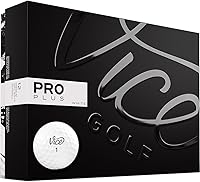
Who should choose the Vice Pro Plus?
Choose the Vice Pro Plus if you swing fast and want driver distance plus spin control. It uses 4 piece cast urethane construction with an extra thin cover.
Vice Golf designed this ball for golfers with high swing speeds and high performance needs. The thin urethane cover helps spin control from tee to green.
A closed alignment line helps you aim putts and tee shots.
The balls are classic white with numbers 1 through 4. You get 12 balls in standard size.
Polyurethane construction and 4 piece build place this in the tour performance group.
This ball suits fast swingers who want one ball for the full round. Slower swingers may find it too firm and spin heavy off the driver.
How can you practice driving on the range?
Practice in short blocks with one fix at a time, and check the result over five shots. That structure turns range time into progress you can measure.
Start with half swings at a lower tee. Feel the ball position and the upswing before you add full speed.
Draw a target line with two tees in the ground. Put one tee at the ball and one a few inches ahead on the line.
Track three things per block: starting line, flight height, and curve. Distance comes last.
Keep sessions short and focused. Twenty quality drives teach more than sixty tired swings, and stop when your grip, stance, or tempo falls apart.
If you use a launch monitor, check which balls work best with your setup. Our page on best golf launch monitor balls and what golf balls work with the Rapsodo MLM2PRO can help you pick a ball for data sessions.
What small setup checks fix weak drives?
Check ball position, tee height, and face angle before you change your swing. Those three checks fix most weak drives in one minute.
Stand and look at the ball from the side. Is it near your front heel?
Is half the ball above the driver?
Close your eyes and set the club down without looking. Where does the face point?
Look at your grip in a mirror or phone camera. Do both Vs point near your chin?
If not, reset the grip and hit five balls before judging.
Watch your first three shots for a pattern. Low and right often means contact low on the face, while high and weak often means contact high.
For height on short shots after a drive, see our guide to how to hit a golf ball higher with irons. For drivers, height starts with tee height and an upswing, not with lifting the ball.
How do you put it all together on the course?
Use the same setup routine on every tee box, and give it time to work. Routine removes doubt and lets your swing repeat.
Address the ball, set your feet, check ball position, then check grip. Look at the target, look back at the ball, and swing.
Aim at a small target in the fairway, not the whole fairway. A clear aim helps your path and face line up.
Pick a ball you can find for casual rounds. Visibility matters when you play at dusk or in rough.
Our guide to the best golf balls that light up covers that niche.
Accept one swing at a time, as a single bad drive does not erase a good setup.
For more height on the tee shot, review how to hit the golf ball higher. It covers launch basics that pair well with a driver setup.
Pick the Vice Drive if you swing low to medium and want a tough, soft feeling ball. Pick the WILSON Profile Distance 36 pack if you want bulk value for practice.
Pick the Vice Pro Plus if you swing fast and want urethane control.
Learn how to drive the golf ball with a forward ball position, a half ball tee height, and an upswing through the ball.