How to Color Golf Balls
You can color golf balls with permanent markers, acrylic paint, nail polish, or dye, but test first and keep the finish thin and smooth. A light coat helps you spot the ball without ruining how it flies or feels off the club.
On this page (10 sections)
- How to color golf balls with markers
- Which colors help you spot your ball
- How to color golf balls with acrylic paint
- How to color golf balls with nail polish or dye
- Can you color golf balls and still follow the rules
- How to keep a colored finish smooth and durable
- Which colored balls suit different golfers
- When to buy colored balls and when to color your own
- How to fix, remove, or recycle a bad finish
- How to color golf balls: final checklist
You can color golf balls with permanent markers, acrylic paint, nail polish, or dye, but test first and keep the finish thin and smooth. A light coat helps you spot the ball without ruining how it flies or feels off the club.
For how to color golf balls at home, start with a ball you can spare. Clean it, let it dry, and try a small spot before you coat the whole ball.
How to color golf balls with markers
Markers are the simplest option for a quick stripe, logo, or full color change. Use a permanent marker in thin layers and let each layer dry before you add more.
Clean the ball with warm water and a little soap, then dry it fully. Draw in light strokes, turn the ball as you work, and stop if the ink pools or looks thick.
A marker works well for alignment aids, dots, and simple patterns. It is less reliable for a full bright color, because the cover can make the ink fade or look patchy.
Check the finish by rolling the ball on a flat surface. If it wobbles or the marker feels raised, the coat is too thick for normal play.
Which colors help you spot your ball
Yellow, orange, and other bright colors stand out against green grass and many backgrounds. White still works well in bright sun, but it can blend with clouds, fairway bunkers, and light paths.
If you struggle to track shots, compare the best color for golf balls before you paint a full dozen. That choice saves time and helps you pick a shade your eyes can follow.
Seniors who want high visibility often look at best yellow golf balls for seniors. Do not assume a color works for you just because it works for another golfer.
Test at dawn, midday, and dusk if you can. A color that looks bright in your garage may disappear against rough, trees, or a low sun.
How to color golf balls with acrylic paint
Acrylic paint gives strong color and good control, but it adds the most risk of a rough finish. Use very thin coats, keep paint out of the dimples as much as you can, and let the ball cure between coats.
Start with a clean, dry ball and a small brush or sponge. Dip the brush lightly and wipe off extra paint before you touch the ball.
Apply one thin coat, then set the ball on wax paper or a raised holder so the wet side does not flatten. Add a second coat only after the first is dry to the touch.
A thick coat can fill dimples and change flight. It can also chip, scuff, or feel hard off the putter face.
How to paint golf balls without covering the dimples
Work in sections and turn the ball often. Aim for color on the flats between dimples, not a thick fill inside each dimple.
Use a fine brush for touch ups and a foam brush for broad areas. A foam brush leaves fewer brush marks than bristles on a round cover.
Keep a spare practice ball nearby. If a coat looks lumpy, stop and clean it before you add more paint.
How to color golf balls with nail polish or dye
Nail polish and dye offer two different finishes. Nail polish gives quick, glossy color, while dye can soak in for a thinner, more even look.
Nail polish is easy to find and dries fast. It can chip in the bag or on cart paths, so apply thin coats and expect touch ups.
Dye needs a clean ball and time to set. The result depends on the cover material, so a dye that works on one ball may look weak on another.
Do not soak a ball in harsh chemicals unless the product maker says it is safe for that use. Ventilate the room and keep dye away from skin and clothing.
Can you color golf balls and still follow the rules
A colored ball is not automatically illegal, but you must not change its size, weight, symmetry, or performance in a way that helps the ball. The Rules of Golf govern the ball you play, and a finish that adds texture or weight can raise problems.
Keep the coat thin and smooth. Do not add large dots, ridges, or layers that could change flight or roll.
For casual rounds, many players color practice balls for fun. For a club championship or a scored event, check with the rules committee before you play a painted ball.
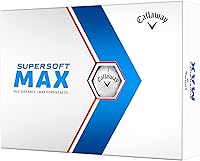
Callaway Supersoft vs Supersoft Max: Which Golf Ball Should You Choose? is a useful check if you want to compare two similar balls before you alter one. Learn which cover and feel you prefer first.
How to keep a colored finish smooth and durable
Clean the ball, cure the finish fully, and store colored balls apart from clubs and keys. A smooth finish protects flight, and careful storage protects the color.
Wash hands before you handle a wet ball, because oils can leave marks in paint or dye. Use gloves if the product calls for them.
Let the ball cure for the full time stated on the paint, polish, or dye. Playing too soon can scuff the finish and transfer color to your glove or club face.
Store finished balls in a pouch or small box. Loose balls in a pocket can rub against tees, ball markers, and other balls.
Keep a marker of the same color in your bag for quick fixes. A small touch up can restore a chip without a full repaint.
Which colored balls suit different golfers
Color can help more than visibility. Pick a finish that matches how you play, where you play, and how often you lose balls.
If you play often and lose balls in the rough, bright yellow or orange helps you find them faster. If you play in a group, a unique color and mark help you claim your ball at a glance.
Women who want a bright, easy to spot option can compare best purple golf balls for women. Purple can stand out well for some players, but test it against your home course first.
If you prefer factory color over a home finish, best callaway yellow golf balls show a ready made option with a smooth, tested cover.
The TaylorMade Golf Distance+ Golf Balls in white suit players who want a distance ball with a Plus Alignment Aid for lining up putts and tee shots. TaylorMade says the REACT Speed Core and Extended Flight Dimple Pattern aim for speed and a mid launch.
The same TaylorMade model in yellow suits players who want visibility without paint. It has the same two layer construction, ionomer cover, and mid launch design, with a yellow finish for spotting.
The Callaway Golf Supersoft Golf Balls offer a soft feel with a HyperElastic SoftFast Core and Hybrid Cover for speed and control around the green. Callaway says the cover helps with wedge control while keeping distance.
When to buy colored balls and when to color your own
Buy factory colored balls if you play scored rounds or want a smooth, durable finish. Color your own if you want a practice ball, a gift, or a quick visibility test.
Ready made balls save time and keep the cover consistent. They also cost less than repainting a dozen balls by hand.
You can review the top 10 best golf balls to compare construction, feel, and distance before you choose. Pick the play traits first, then decide if color matters.
If you lose many balls, check best bulk new golf balls for a lower cost way to stock up. A bulk pack plus a marker can be cheaper than a premium colored ball.
To spend less waste, start with one sleeve. Play it for a round and note where you lost sight of it.
Then adjust the color before you commit to a full set.
How to color golf balls for practice and gifts
Practice balls and gifts give you more room to try bold designs. Use bright patterns, initials, and dots that you would not use in a scored round.
Spin the ball as you draw so stripes stay even. A simple two color pattern is easy to spot and looks neat.
Let gift balls cure fully and pack them in a box that does not rub the finish. Add a note if the finish is for practice use only.
How to fix, remove, or recycle a bad finish
Sand a rough spot lightly, recoat in a thin layer, or set the ball aside for practice if the finish will not smooth out. Do not play a ball with a raised edge or a loose chip.
If paint chips, clean the area and apply a small touch up. Let it dry fully before you bag the ball.
To remove a finish, follow the safety steps for the paint or dye you used. Some finishes come off with soap and a soft brush, while others need a product made for that color type.
When a ball is no longer fit to play, check can golf balls be recycled for options in your area. Do not assume every course or town accepts old balls.
How to color golf balls: final checklist
Use this checklist before you play a colored ball. Clean, dry, thin coat, full cure, smooth check.
Pick your method, prepare a spare ball, and test one coat first. Keep the finish out of the dimples where you can and let it cure fully.
Check the rules for scored play, and keep a marker for touch ups. If the ball feels rough, rolls oddly, or chips, do not play it.
For your next round, buy a factory color if you want reliability, or color a few practice balls to test what you can see. That simple test will tell you more than any color chart.
Frequently asked questions
How to color golf balls without affecting play?
Use a thin coat of marker, acrylic paint, or dye on a clean, dry ball and let it cure fully. Keep paint out of the dimples where you can, avoid thick drips, and check the finish for bumps before you play.
If the surface feels rough, sand it lightly or discard the ball.
Do painted golf balls break the rules?
A colored ball can still be legal if its size, weight, and overall performance stay within the rules. Changing color alone is common, but adding thick layers, texture, or weight could make a ball nonconforming.
Check the current Rules of Golf and your course policy before competition.
What color is easiest to see on a golf course?
Yellow and orange are often easy to spot against grass and sky, while white is easy to see in bright light. Your eyes, the light, and the background matter, so test a few colors in real rounds.
Many golfers compare options in what to choose for visibility.
Can you dye a golf ball instead of painting it?
Yes, dye can give a more even, thinner finish than paint on some covers. It works best on a clean ball and may need soaking or a direct application depending on the dye.
Test a practice ball first, because dye strength and cover material change the result.