Can Golf Balls Be Recycled?
Most golf balls cannot go in curbside recycling. You can reuse many worn balls for practice, donate usable ones, or check with a local program that accepts rubber and plastic sport goods, and trash balls that are cut open or badly damaged.
On this page (9 sections)
- Why can golf balls be recycled only in limited ways?
- What types of golf balls are hardest to recycle?
- How can you reuse golf balls that are too worn for the course?
- Can you donate or resell used golf balls?
- What recycling programs accept golf balls?
- Are new recyclable or biodegradable golf balls a real option?
- What should you never do with old golf balls?
- Which new balls help you lose fewer balls?
- What is the best plan for worn golf balls?
Most golf balls cannot go in curbside recycling. You can reuse many worn balls for practice, donate usable ones, or check with a local program that accepts rubber and plastic sport goods, and trash balls that are cut open or badly damaged.
Reuse comes first because it keeps a round ball in use. Trash is last, only for balls that are cut, cracked, or leaking.
Why can golf balls be recycled only in limited ways?
Golf balls mix cover, core, and layers that recycling plants cannot easily separate. Each part is bonded to stay strong through hard hits.
Many balls use a synthetic cover such as Surlyn or urethane over a rubber core. Those materials do not sort like a plastic bottle.
A plant would need a special stream for sports goods, and most towns do not run one.
Curbside programs also reject small, heavy items that can jam sorting machines. A golf ball fits that description.
Even with a plastic cover, the whole ball is not a standard recyclable item.
A ball that is still round can be played, used for practice, or passed on. Only damaged balls should go to trash after you check local rules.
What types of golf balls are hardest to recycle?
Two-piece and multi-piece balls are both hard to recycle, but for different reasons. Distance balls use a solid core, while tour style balls add layers for spin and feel.
A 2-piece ball has one core and one cover fused together. Recycling would require grinding mixed rubber and plastic with limited value.
A 4-piece ball adds a mantle layer and a thinner urethane cover. Those layers help control spin from tee to green, but they make separation harder.
Older liquid-center designs add risk if cut. Do not drain or open a ball at home to make it recyclable.
A durable ball that lasts more rounds creates less waste. Compare distance golf ball options to find a fit for your swing, or use our guide to the top 10 best golf balls to match ball type to your swing and budget.
How can you reuse golf balls that are too worn for the course?
Reuse a worn ball when it is still round and safe to hit. Cover scuffs do not stop it from flying for practice.
Use older balls for range practice, yard chipping where safe, or putting drills on a mat. The ball may not spin like a new one, but it gives a true target for contact and aim.
Keep a separate bag for practice balls so you do not mix them with scoring balls. Mark practice balls with a dot if you want to tell them apart.
Practice balls help you get reps without worrying about cost. To improve distance, see how to hit the golf ball farther.
How do you check if a used ball is still safe for practice?
Check shape, cover, and core before you use a ball again. A round ball with a dull cover is usually fine.
Run your finger over the cover and look for cuts that reach the core. Squeeze gently and feel for a flat side or dent that does not spring back.
Throw out a ball that fails either check.
Wash a used ball with warm water and a soft brush if dirty. Let it dry before storage so it rolls truer and is easier to inspect.
Can you donate or resell used golf balls?
You can pass on used balls that are still round and playable. Shops, clubs, schools, and resale buyers often take bags of mixed balls.
Look for local golf shops or online resale sites that accept used balls by the bag. Clean the balls and remove any that are cut or cracked before you hand them over.
Do not donate badly damaged balls. A cracked ball can split on a hard hit and send pieces flying.
It is safer to trash that ball than to pass the risk on. If you buy used balls, inspect them in person when you can.
Check for roundness and deep cuts before you pay.
When you buy new balls, what is golf ball sleeve packaging can help you plan counts. A sleeve is usually 3 balls, and a dozen is 4 sleeves.
What recycling programs accept golf balls?
Specialty programs are the main recycling path, not curbside bins. You need to ask your town, club, or ball maker about a take-back plan.
Some golf shops collect old balls for bulk recycling or resale as practice balls. A club may also have a bin for lost balls found on the course.
Ask before you drive across town with a bag. Check accepted types, counts, and drop-off hours on the shop website or by phone.
Some programs take only certain brands. If your town has a hazardous waste day, ask if it accepts rubber and plastic sport goods.
Do not assume it does, and do not leave balls at a closed site. For distance players, the best surlyn golf balls guide explains covers that resist cuts.
A cut resistant ball can last longer, so you dispose of fewer balls.
Are new recyclable or biodegradable golf balls a real option?
Some makers market recycled or plant based parts, but you should check what part is new. A recycled cover does not make the whole ball curbside recyclable.
Read product facts with care. Look at material, construction, and disposal advice.
If a cover uses recycled material but the core is rubber, you still need a specialty program or trash at end of life.
Be wary of claims that a ball will break down on its own in a yard or pond. A lost ball in rough or water should still be treated as waste, not compost.
The best golf balls volvik guide covers another brand for comparison.
How do you compare ball types for less waste?
Pick a ball type you will keep in play, not just a ball with a green label. Low compression distance balls suit slower swings.
Women comparing distance options can see best distance golf balls for women.
High spin tour balls suit faster swings and need more practice to control. For one tour-ball example, read the Titleist Pro V1x Left Dash review.
If you lose balls often, a lower cost distance ball may create less waste.
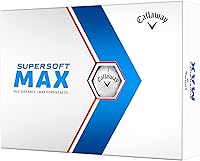
Check the Callaway Supersoft vs Supersoft Max comparison for two soft, low compression options. A soft ball you hit well can stay in play longer than a firm ball that slices.
What should you never do with old golf balls?
Never cut a ball open, burn it, or put it in a recycling bin and hope for the best. Each choice can cause harm or jam a sorting plant.
Cutting a ball can release fill and sharp cover pieces. Burning plastic and rubber creates fumes that are not safe to breathe.
Curbside bins can jam equipment and cause a whole load to be rejected.
Do not throw balls into lakes, streams, or storm drains. A lost ball in water is still plastic and rubber waste.
Do not wade into unsafe water to retrieve it.
Avoid giving damaged balls to kids for play. A cracked ball can split when hit, so stick to intact balls and keep hitting away from other people.
If you buy in bulk, read best bulk new golf balls before you stock up. Bulk packs reduce packaging waste only if you will use the balls.
Which new balls help you lose fewer balls?
A ball that fits your swing helps you keep more balls in play. That is the most direct way to cut waste, since a lost ball cannot be reused.
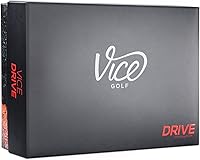
For low to medium club head speed, the Vice Drive is a 2-piece ball with a tough, cut resistant soft core and a 368 dimple design. Vice says it gives longer roll and a softer feel.
The WILSON Profile Distance 36 Pack suits players who want a large pack for long distance shots. Wilson says its high energy core and low compression design give a soft feel, and its dimple pattern aims to cut hooks and slices.
For high swing speeds, the Vice Pro Plus is a 4-piece cast urethane ball with an extra thin cover. Vice says it is designed for faster swings and gives driver distance with spin control, plus a closed alignment line.
How do you pick a ball you will keep in play?
Match compression and spin to your swing, not to tour players. A ball that is too firm or spinny can send more shots into rough.
Slower swings often do better with low compression distance balls. Faster swings can use multi-piece urethane flight.
If unsure, play a sleeve of each and track lost balls. Use our guide to how to chip the golf ball to practice with older balls.
Better chipping keeps more balls in play near the green.
What is the best plan for worn golf balls?
Reuse round balls for practice, pass on playable balls, use a specialty program if one exists, and trash only damaged balls. That order keeps the most balls in use.
Start each season by sorting your bag. Put good balls in play, set scuffed but round balls aside for practice, and bag the rest for take-back or donation.
Check each ball for cuts and cracks.
When you buy new balls, choose a type you can hit well and a pack size you will finish. A 36 pack suits frequent players, but a dozen suits once a month players.
Advice from best bulk new golf balls can help you plan the count. For the full picture on ball types, start with our top 10 best golf balls guide.
Frequently asked questions
Can golf balls be recycled in regular household recycling?
No, most cities do not accept golf balls in curbside recycling bins. Balls combine synthetic covers, rubber cores, and sometimes liquid or solid centers that sorting plants are not set up to separate.
Reuse usable balls first, then look for a take-back or specialty recycling option.
What should I do with golf balls that are too worn to play?
Use scuffed but round balls for practice, chipping, or backyard target work, away from windows and other people. If a ball is cut, cracked, or leaking, place it in household trash.
Do not cut balls open at home, since the core contents are not meant to be handled or poured out.
Are used golf balls better for practice than new balls?
Often yes, because you will not worry about losing a new ball. Used balls that have lost their cover or shape can still work for basic swing practice.
For chipping and putting drills, a round ball with a mostly intact cover gives more consistent contact.